Hey there! As a supplier of Temperature-Humidity Test Chambers, I’ve seen first – hand how important these machines are in various industries. Whether it’s for testing electronics, pharmaceuticals, or automotive parts, a well – maintained chamber is key to getting accurate and reliable results. So, let’s talk about what the maintenance requirements for a Temperature – Humidity Test Chamber actually are. Temperature-Humidity Test Chamber

Regular Cleaning
One of the most basic but crucial maintenance tasks is regular cleaning. Over time, dust, dirt, and other contaminants can build up inside the chamber. This can not only affect the accuracy of temperature and humidity readings but also cause damage to the internal components.
You should start by cleaning the interior of the chamber. Use a soft, damp cloth to wipe down the walls, floors, and shelves. Make sure to remove any debris that might have collected in the corners. It’s also a good idea to vacuum the chamber occasionally to get rid of any hard – to – reach dust particles.
The exterior of the chamber shouldn’t be neglected either. Wipe it down with a clean cloth and a mild detergent to keep it looking good and to prevent corrosion. And don’t forget about the air filters. These should be cleaned or replaced regularly, as clogged filters can restrict airflow and make the chamber work less efficiently.
Calibration Checks
Calibration is super important for a Temperature – Humidity Test Chamber. Without proper calibration, the temperature and humidity readings can be way off, which can mess up your test results big time.
I recommend having your chamber calibrated at least once a year by a professional. They’ll use specialized equipment to measure the actual temperature and humidity inside the chamber and compare it to the readings shown on the control panel. If there are any discrepancies, they can adjust the settings accordingly.
You can also do some basic calibration checks yourself in between professional calibrations. For example, you can use a reliable thermometer and hygrometer (a device that measures humidity) to take manual readings inside the chamber. Compare these readings to the ones on the chamber’s control panel. If there’s a significant difference, it might be time to call in the pros.
Inspecting the Seals
The seals around the chamber door are essential for maintaining a proper temperature and humidity environment. Over time, these seals can wear out or become damaged. A leaky seal can let in outside air, which can affect the chamber’s performance.
Check the seals regularly for any signs of wear, such as cracks or tears. You can run your fingers along the seal to feel for any unevenness. If you notice any problems, it’s usually a good idea to replace the seal as soon as possible. Most Temperature – Humidity Test Chambers come with replaceable seals, and it’s a relatively easy DIY task if you’re handy.
Monitoring the Refrigeration System
The refrigeration system is what keeps the chamber at the right temperature. It’s a complex piece of machinery, and it needs to be monitored closely.
Keep an eye on the compressor, which is the heart of the refrigeration system. Listen for any strange noises, like rattling or hissing. Unusual noises can be a sign of a problem, such as a loose part or a refrigerant leak. You should also check the refrigerant levels periodically. Low refrigerant levels can cause the chamber to cool inefficiently or not at all. However, checking and replenishing refrigerant is a job for a trained professional, so don’t try to do it yourself.
The condenser coils, which are responsible for releasing heat from the refrigeration system, can also get dirty over time. A dirty condenser coil can make the compressor work harder, which can lead to higher energy consumption and potentially shorten the lifespan of the system. Clean the condenser coils regularly using a soft brush or a vacuum cleaner with a brush attachment.
Checking the Electrical Components
The electrical components in a Temperature – Humidity Test Chamber are critical for its operation. You need to make sure that all the wiring is in good condition. Look for any signs of fraying, damage, or loose connections. Frayed wires can be a fire hazard, so it’s important to address any issues right away.
Test the power supply regularly to ensure that the chamber is getting the right amount of electricity. You can use a voltmeter to check the voltage. If the voltage is too high or too low, it can cause problems with the chamber’s performance and even damage the components.
The control panel is another important electrical component. Make sure that all the buttons and displays are working properly. If you notice any glitches or inaccurate readings on the control panel, it might need to be repaired or replaced.
Maintaining the Humidification System
The humidification system is responsible for controlling the humidity inside the chamber. It usually consists of a water tank, a water pump, and a humidifier element.
First, keep the water tank clean. Fill it with clean, distilled water to prevent mineral buildup. Mineral deposits can clog the water pump and the humidifier element, reducing their efficiency. Empty and refill the water tank regularly, and clean it with a mild detergent every few months.
Check the water pump for any signs of malfunction. Listen for any unusual noises or vibrations when the pump is running. If the pump isn’t working properly, it won’t be able to distribute water to the humidifier element effectively, which can lead to inconsistent humidity levels.
The humidifier element also needs to be inspected regularly. Over time, it can become dirty or worn out. If the element is dirty, you can try cleaning it according to the manufacturer’s instructions. If it’s worn out, it will need to be replaced.
Software and Firmware Updates
Many modern Temperature – Humidity Test Chambers come with software and firmware that control the chamber’s operation. These programs need to be updated regularly to ensure that the chamber is running at its best.
Software updates can fix bugs, improve performance, and add new features. Most manufacturers will notify you when there’s an update available. Make sure to follow their instructions carefully when installing the updates. In some cases, you might need to back up your test data before the update to prevent any loss.
Documentation
It’s important to keep good records of all the maintenance you do on your Temperature – Humidity Test Chamber. This includes the dates of cleaning, calibration, component replacements, and any software updates.
Good documentation can be extremely helpful in several ways. First, it can help you keep track of when the next maintenance task is due. Second, it can be useful if you ever need to troubleshoot a problem with the chamber. If a technician needs to know when the last calibration was done or when a particular component was replaced, you’ll have the information at your fingertips.
Conclusion
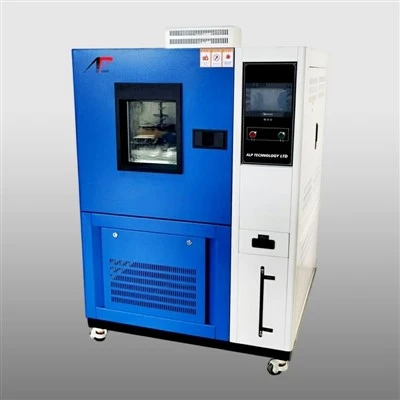
Well, there you have it – the main maintenance requirements for a Temperature – Humidity Test Chamber. By following these steps, you can keep your chamber in top shape, get accurate test results, and extend the lifespan of your equipment.
Altitude Test Chamber If you’re in the market for a new Temperature – Humidity Test Chamber or need advice on maintenance for your existing one, don’t hesitate to reach out. We’re here to help you make the best decisions for your testing needs. Just start a conversation with us, and we can discuss how we can meet your specific requirements.
References
- "Temperature and Humidity Test Chamber User Manuals"
- "Guidelines for Maintenance of Environmental Testing Equipment"
- Industry – specific research papers on Environmental Testing Chambers and their maintenance.
ALP Technology (T&M) Ltd.
With abundant experience, we are one of the most reliable temperature-humidity test chamber manufacturers and suppliers in China. Please feel free to buy advanced temperature-humidity test chamber for sale here from our factory. All customized products are with high quality and competitive price.
Address: No.19, Mingde Road, Xi’an, China
E-mail: info@alp-environment.com
WebSite: https://www.alp-environment.com/
