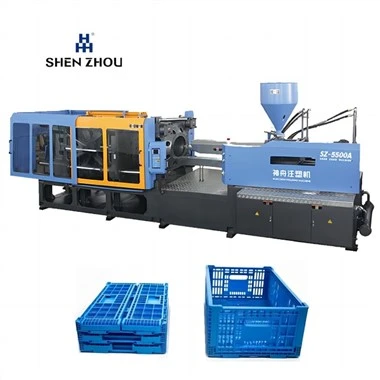
Calibrating the sensors in a plastic bucket crate injection molding machine is a critical process that ensures the machine operates at peak efficiency and produces high – quality products. As a supplier of plastic bucket crate injection molding machines, I understand the importance of this calibration and am here to share some valuable insights on how to carry it out effectively. Plastic Bucket Crate Injection Molding Machine
Why Sensor Calibration is Crucial
Before delving into the calibration process, it’s essential to understand why sensor calibration matters. In an injection molding machine, sensors play a pivotal role in monitoring various parameters such as temperature, pressure, position, and speed. Accurate sensor readings are necessary for:
- Product Quality: Precise control of temperature and pressure ensures that the plastic material fills the mold cavity uniformly, resulting in consistent part dimensions and excellent surface finish. Incorrect sensor readings can lead to under – filled or over – filled crates, warping, and other defects.
- Machine Efficiency: Properly calibrated sensors allow the machine to operate optimally. For example, a well – calibrated temperature sensor ensures that the heater bands maintain the correct melt temperature, preventing excessive energy consumption and reducing cycle times.
- Safety: Sensors are also used in safety systems. A malfunctioning pressure sensor, for instance, could lead to dangerous over – pressurization in the machine, posing a risk to operators.
Types of Sensors in a Plastic Bucket Crate Injection Molding Machine
There are several types of sensors in an injection molding machine, and each requires specific calibration procedures.
- Temperature Sensors: These are used to monitor the temperature of the barrel, nozzle, and mold. Thermocouples and resistance temperature detectors (RTDs) are commonly used.
- Pressure Sensors: They measure the pressure during the injection and holding phases. Piezoelectric and strain – gauge pressure sensors are typical in this application.
- Position Sensors: These sensors track the position of the screw, ejector pin, and mold halves. Linear variable differential transformers (LVDTs), potentiometers, and optical encoders are some of the position – sensing devices.
- Flow Sensors: These sensors measure the flow rate of cooling water or hydraulic fluid in the machine.
Step – by – Step Guide to Sensor Calibration
Temperature Sensor Calibration
- Preparation: Ensure the machine is shut down and has cooled down to a safe temperature. Gather a reliable reference thermometer with a known accuracy.
- Comparative Measurement: Install the reference thermometer at the same location as the sensor to be calibrated. Power on the machine and set the temperature controller to a specific value. Wait for the system to reach a stable temperature.
- Reading Comparison: Compare the reading of the sensor in the machine with that of the reference thermometer. If there is a discrepancy, adjust the calibration factor of the machine’s temperature controller. This may involve using a calibration menu or software interface provided by the machine.
- Repeat for Multiple Points: Calibrate the sensor at multiple temperature points across its operating range to ensure accuracy throughout.
Pressure Sensor Calibration
- Isolation: Isolate the pressure sensor from the hydraulic or injection system. This may require closing valves or using a bypass line.
- Use a Calibration Gauge: Connect a certified calibration gauge to the same pressure port as the sensor. Ensure that the connection is leak – free.
- Apply Known Pressures: Gradually apply a series of known pressures to the system using a pressure – generating device. These pressures should span the normal operating range of the sensor.
- Adjustment: Compare the readings of the sensor and the calibration gauge at each pressure point. If there are differences, adjust the sensor’s calibration settings using the machine’s control panel or software.
Position Sensor Calibration
- Initial Checks: Inspect the physical installation of the position sensor. Ensure that it is securely mounted and that there is no mechanical damage or misalignment.
- Zero – Point Setting: For most position sensors, the first step is to set the zero – point. This is usually done when the moving part (such as the screw or ejector pin) is at its home position. Use the machine’s calibration function to set the sensor reading to zero at this position.
- Full – Scale Calibration: Move the part to its maximum travel position. Compare the sensor reading with the actual measured distance using a precise measuring tool (e.g., a micrometer or a dial indicator). Adjust the calibration to match the actual distance.
Flow Sensor Calibration
- Flow Measurement Setup: Use a calibrated flow meter as a reference. Install it in the same pipeline as the sensor to be calibrated, ensuring that the flow conditions (such as pipe diameter and fluid type) are the same.
- Flow Rate Adjustment: Vary the flow rate in the system using a flow – control valve. Take readings from both the flow sensor in the machine and the reference flow meter at different flow rates.
- Calibration Adjustment: If there are differences between the readings, adjust the calibration parameters of the machine’s flow sensor to match the reference values.
Regular Calibration Schedule
To maintain the accuracy and reliability of the sensors, a regular calibration schedule should be established. This schedule should take into account factors such as the machine’s operating environment, the frequency of use, and the manufacturer’s recommendations. For example, sensors in a harsh environment with high levels of dust or vibration may need to be calibrated more frequently than those in a clean, stable environment.
Training for Operators
Properly trained operators are essential for accurate sensor calibration. Provide on – the – job training sessions that cover the calibration procedures for each type of sensor. Include hands – on practice and explain the importance of calibration in ensuring product quality and machine performance. Operators should also be trained to recognize signs of sensor malfunction, such as erratic readings or sudden changes in machine behavior.
Documentation
Keep detailed records of all sensor calibration activities. This documentation should include the date of calibration, the calibration values, the reference standards used, and the names of the personnel who performed the calibration. Documentation is not only useful for quality control purposes but also for compliance with industry regulations and customer requirements.
Conclusion

Calibrating the sensors in a plastic bucket crate injection molding machine is a complex but necessary task. By following the steps outlined above and establishing a regular calibration schedule, you can ensure that your machine operates efficiently, produces high – quality products, and remains safe for operators.
Auxiliary Machinery If you are in the market for a plastic bucket crate injection molding machine or need further advice on sensor calibration, we are here to help. Our team of experts has extensive experience in the field and can provide you with the best solutions tailored to your specific needs. Contact us to start a conversation about your injection molding requirements and explore how our machines can enhance your production process.
References
- "Injection Molding Handbook", by O. Olajide
- "Sensor Technology for Industrial Applications", by R. Smith
Shenzhou Machinery Co., Ltd.
As one of the most professional plastic bucket crate injection molding machine manufacturers and suppliers in China, we’re featured by quality products and good price. Please feel free to buy advanced plastic bucket crate injection molding machine made in China here from our factory. We also accept customized orders.
Address: Fenghuang Town, Zhangjiagang City, Jiangsu Province, P.R.China
E-mail: sale@shenzhoumac.com
WebSite: https://www.shen-zhoumachinery.com/
