Hey there, if you’re running a mine, quarry, or construction site where you’re moving thick, messy slurry on the daily, you know a slurry pump is basically your workhorse. But let’s be real—operating one of these things isn’t like driving a regular truck. Slurry pumps are heavy, loaded with abrasive mud, and if you skip a step, you’re looking at broken parts, downtime, or even a serious injury. I’ve been selling slurry pumps for the last 8 years, and I’ve seen it all: a guy who skipped a pre-start check and burned out a impeller in 2 hours, a site that flooded because they misaligned the pump, even a near-miss where a loose bolt flew off and nicked someone’s hard hat. Today, I’m spilling the real, not-too-corporate, playbook on how to run a slurry pump safely—stuff I’ve learned from clients, not just a manual. Slurry Pump

First up: the pre-start check. I know, I know—you’re busy, you’ve got a pile of slurry waiting to move, so you hit the start button and go. But this is where most messes start, and it takes 10 minutes max. You can’t skip it. Let’s break it down like I’d walk a new operator through it. First, eyeball the whole setup. Is the pump secured tight to its base? No wiggling, no loose bolts on the frame—vibration is the #1 enemy of slurry pumps, and a wobbly pump will shake apart fast. Next, check the seal flush system. Slurry is super abrasive, and if it gets into the pump’s mechanical seal, that’s a $1,500 repair job right there. The flush line needs to be clear—no kinks, no clogs—with the right pressure (usually 10-20 PSI for most standard pumps; if you’re not sure, check your pump’s spec sheet, not the guy in the next booth). Then, check the fluid levels in the bearing housings. Too little, and the bearings will seize up before lunch. Too much, and they’ll overheat. I always tell clients to use a good quality EP grease or oil—don’t skimp on the cheap stuff. If it’s a grease fitting, give it 1-2 squirts, not a flood. For oil, the level should hit the mark on the sight glass, no higher, no lower.
Next, the suction side. This is super important because air leaks here will make the pump cavitate, which sounds like tiny rocks being crushed inside, and that’s not good for the pump or your ears. Check the suction hose or pipe for any cracks, loose clamps, or holes. Make sure the strainer at the suction inlet is clean—no big chunks of rock or debris blocking it, because that will not only clog the pump but also cause it to work way harder than it needs to. And here’s a pro tip I learned from a gold mine client: make sure the suction line is fully submerged in the slurry. If you’re running the pump with the inlet above the slurry level, you’re just sucking air, and that leads to cavitation, broken impellers, and downtime. Don’t be that guy.
Once you’ve done the pre-start, it’s time to start the pump. Wait—hold on, don’t just hit the button. Let’s get this right. First, close the discharge valve. Wait, what? Yeah. If you start the pump with the discharge valve open, it’s like revving your car to red line before you put it in gear. The pump will surge, the motor will draw way too much current, and you’ll trip a breaker or burn out the windings. So start with the discharge valve fully closed, then flip the power. Once the pump is running smoothly, slowly open the discharge valve until you hit the flow rate you need. Take it slow—no jerking the valve open. While you’re doing this, stand clear of the piping, just in case there’s a small pressure spike. And listen to the pump. If it sounds off—grinding, rattling, hissing—shut it down immediately. Don’t wait to see what’s wrong. Cavitation makes a really distinct sharp, high-pitched noise, and if you hear that, hit the stop button right away. You’ll save yourself a ton of cash and hassle.
Now, while the pump is running, you can’t just walk away and check on it once a shift. You need to do regular, quick checks every hour or so, depending on how harsh your slurry is. What are you looking for? First, vibration. If the pump is shaking more than it did when you started, that’s a red flag. Could be misalignment, a loose impeller, or even air in the lines. Check the bearing temperatures too—you don’t want them getting too hot to touch, but if they’re warm, that’s normal. If they’re scalding, shut it down. Also, check the seal flush pressure again—make sure it’s still in the sweet spot. If it drops, the seal might be wearing out, and you don’t want to wait until it leaks slurry all over the place.
Another big one: handling the slurry itself. Slurry is not just water with mud—sometimes it has chemicals, heavy metals, or just super abrasive quartz that will eat through clothes, skin, and even concrete. Always wear the right PPE: steel-toe boots, chemical-resistant gloves, a hard hat, and safety glasses. If you’re working around the pump, coveralls are a good idea too—slurry stains are impossible to get out. And never, ever reach into the pump or piping while it’s running. Even if you think it’s turned off, lock out/tag out (LOTO) the power source. I can’t stress this enough. LOTO means you disconnect the power, put a lock on the switch, and only you have the key. Too many guys think the pump is “off” because they hit the button, but the capacitor can still hold a charge, or the line can leak and start it back up. LOTO is non-negotiable.
What about when you need to stop the pump? Don’t just hit the stop button and walk away. First, slowly close the discharge valve. Why? If you stop the pump with the discharge valve open, the slurry can backflow into the pump, which can damage the impeller or the casing. Once the discharge valve is closed, hit the stop button. Then, if you’re going to leave the pump idle for more than a few hours, flush it out with clean water. If you leave thick slurry sitting in the pump, it will dry and harden, like concrete, and next time you start it, you’ll be dealing with a seized impeller. I’ve had clients skip this step and end up having to tear the whole pump apart with a jackhammer to get the slurry out. Save yourself the headache—flush it.
Now, let’s talk about common mistakes I see all the time. First, overloading the pump. A lot of guys think if a 4-inch pump can move 100 GPM, they can cram 150 GPM through it. Nope. That’s a fast track to burning out the motor, wearing the impeller and casing way too fast, or causing a leak. Stick to the pump’s rated capacity. Second, using cheap parts. I know, buying a $5 seal instead of a $20 one seems like a good deal, but that $5 seal will last a week, and you’ll be paying for downtime every time you have to replace it. Stick to OEM parts, or high-quality aftermarket parts that are made for your specific pump. Third, not training operators. A pump is only as safe as the guy running it. I’ve worked with sites that have new guys flipping switches with no clue what they’re doing. Even if someone says they “know pumps,” take the time to train them on your specific setup. Every pump is a little different, and a little training goes a long way.
And let’s not forget about emergency stuff. Have a clear plan if something goes wrong. Where are the emergency stops? Does everyone on site know how to find them? If there’s a slurry leak, have a way to contain it—absorbent pads, spill kits. And never try to fix a problem while the pump is running. Even a small leak can turn into a big mess, and putting your hand near a rotating part is just asking for trouble. If you’re not sure what to do, call your pump supplier. That’s what we’re here for.
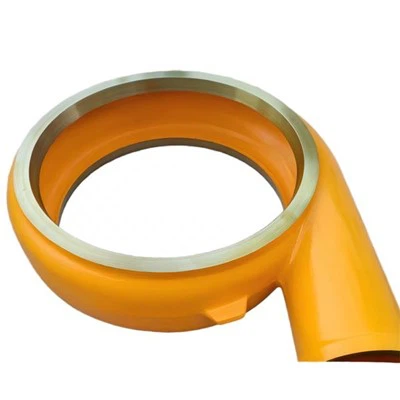
If you’re in the market for a new slurry pump, or you need help making sure your current setup is running safely and efficiently, hit us up. We’ve got years of experience working with mines, quarries, and construction sites, so we can help you pick the right pump for your job, and give you all the tips and support you need to keep your team safe and your downtime low. Don’t let a avoidable mistake cost you money or hurt someone—reach out and let’s chat.
Slurry Pump References:
- Slurry Pump Operators Safety Manual, American Society of Mechanical Engineers
- Occupational Safety and Health Administration (OSHA) – Heavy Equipment Operation Safety Guidelines
- Centrifugal Slurry Pump Design and Maintenance Guide, Warman International Ltd.
Shijiazhuang Ruite Pump Co., Ltd.
Shijiazhuang Ruite Pump Co., Ltd. is one of the most experienced slurry pump manufacturers and suppliers in China. Please rest assured to wholesale high quality slurry pump made in China here from our factory. For price consultation, contact us.
Address: Majuan village, Nandong town, Gaocheng, Shijiazhuang, China
E-mail: info@ruitepump.com
WebSite: https://www.rtslurrypump.com/
