As a seasoned provider of lead acid battery chargers, I’ve witnessed firsthand the importance of understanding the various accessories that come with these chargers. In my years in the industry, I’ve dealt with all sorts of customers – from small business owners to large – scale industries, hobbyists, and even emergency service providers. Each has unique needs, and the right accessories can make a significant difference in the performance, safety, and longevity of both the charger and the lead acid batteries. Lead Acid Battery Charger
Battery Clamps
One of the most fundamental accessories included with a lead acid battery charger is a set of battery clamps. These clamps are designed to establish a secure electrical connection between the charger and the battery terminals. They typically come in different sizes and materials to accommodate various battery types and applications.
For small – scale lead acid batteries, such as those used in motorcycles or small scooters, lightweight and corrosion – resistant clamps are often provided. These clamps are easy to handle and can quickly be attached to the battery terminals. On the other hand, industrial – grade lead acid batteries, like those used in forklifts or large backup power systems, require more robust and heavy – duty clamps. These heavy – duty clamps can withstand high currents and are made of materials that resist wear and tear over extended use.
When selecting battery clamps, it’s crucial to ensure that they are properly insulated. Insulated clamps prevent accidental short – circuits, which can not only damage the charger and the battery but also pose a significant safety hazard. In my experience, a well – made, insulated battery clamp can significantly enhance the safety of the charging process.
Charging Cables
Another essential accessory is the charging cable. The charging cable serves as the conduit through which electrical energy is transferred from the charger to the battery. The quality of the charging cable can have a direct impact on the charging efficiency and the overall performance of the charger.
High – quality charging cables are usually made of copper or aluminum cores, which are known for their excellent electrical conductivity. The thickness of the cable also matters. Thicker cables have lower resistance, which means less energy is wasted as heat during the charging process. For example, longer charging cables or those used in high – current applications may require a larger gauge to ensure efficient power transfer.
In addition to conductivity, the durability of the cable is also important. Charging cables are often subjected to bending, pulling, and occasional abrasion, especially in industrial or outdoor settings. A cable with a sturdy outer sheath can protect the inner conductors from damage and extend the cable’s lifespan.
Fuse
Fuses are a critical safety accessory in lead acid battery chargers. They act as a safety valve, protecting the charger and the battery from overcurrent situations. When the current flowing through the charging circuit exceeds a certain safe level, the fuse will blow, interrupting the electrical circuit and preventing damage to the charger and the battery.
There are different types of fuses available, each with its own rating and characteristics. Fast – acting fuses are designed to blow quickly in the event of a sudden surge in current, such as a short – circuit. Slow – blow fuses, on the other hand, can withstand temporary current spikes without blowing, making them suitable for applications where the charging current may fluctuate during normal operation.
As a charger supplier, I always ensure that the fuses included with our chargers are properly rated for the specific charger model. This not only protects the end – user’s equipment but also meets the relevant safety standards and regulations.
Temperature Sensor
Temperature sensors are becoming increasingly common accessories in modern lead acid battery chargers. The charging process of lead acid batteries is highly temperature – dependent. Overcharging at high temperatures can cause the battery to lose water and accelerate the aging process, while undercharging at low temperatures can lead to sulfation and reduced battery capacity.
A temperature sensor built into the charger can monitor the temperature of the battery during the charging process. Based on the temperature reading, the charger can adjust the charging parameters, such as the charging voltage and current, to optimize the charging process and ensure the battery’s safety and longevity.
In my interactions with customers, I’ve found that many are impressed by the features of chargers equipped with temperature sensors. They appreciate the added protection and the ability to get the most out of their lead acid batteries.
Battery Status Indicator
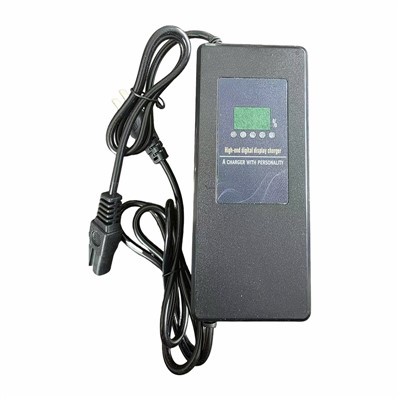
A battery status indicator is a valuable accessory that provides users with real – time information about the charging status of the battery. This can be in the form of LED lights, a digital display, or both.
LED lights are commonly used to indicate basic charging status, such as whether the charger is connected, whether the battery is charging, and whether the charging is complete. The color of the LED lights can convey different meanings. For example, a red light may indicate that the battery is charging, while a green light may indicate that the charging is finished.
Digital displays, on the other hand, can provide more detailed information, such as the battery voltage, the charging current, and the estimated time remaining until the charging is complete. This detailed information allows users to closely monitor the charging process and make informed decisions about the use of the battery.
Remote Control and Monitoring System
In some advanced lead acid battery chargers, remote control and monitoring systems are available as accessories. These systems allow users to control and monitor the charging process from a distance, either through a wired or wireless connection.
For industrial applications, where multiple chargers may be used simultaneously, a remote control and monitoring system can greatly simplify the management of the charging process. Operators can easily start, stop, and adjust the charging parameters of multiple chargers from a central control point. In addition, remote monitoring can provide early warnings of potential problems, such as abnormal battery temperatures or charging currents, allowing for timely maintenance and troubleshooting.
In the consumer market, remote control and monitoring systems can also be convenient for users who want to monitor the charging of their batteries while they are away from home. For example, a user can use a smartphone app to check the charging status of a battery charger in their garage.
Conclusion
As a lead acid battery charger supplier, I understand that the right accessories can enhance the functionality, safety, and efficiency of our chargers. From the basic battery clamps and charging cables to the more advanced temperature sensors and remote control systems, each accessory plays a vital role in ensuring a smooth and effective charging process.
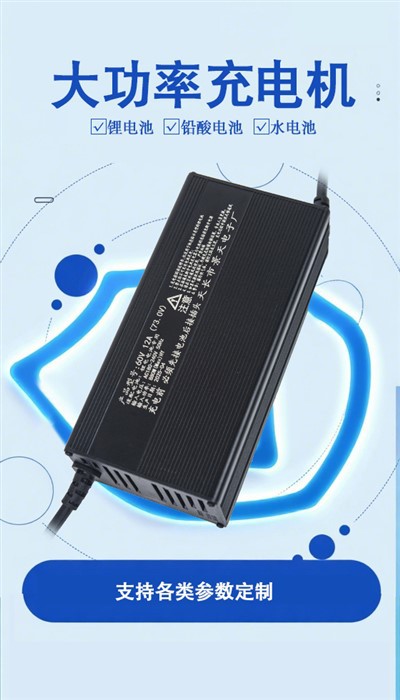
If you’re in the market for a lead acid battery charger and are interested in learning more about the accessories or how they can meet your specific needs, we’re here to help. Our team of experts has extensive knowledge and experience in the field, and we’re committed to providing high – quality products and excellent customer service. Whether you’re a small – time hobbyist or a large – scale industrial user, we can offer you the right solution. Reach out to us to start a purchase negotiation and find the best lead acid battery charger and accessories for you.
Battery Charger References
- Battery Charger Handbook. Research and development in the field of battery chargers.
- International Electrical Safety Standards related to lead acid battery chargers.
- Journals on renewable energy storage systems which often touch upon lead acid battery charging technologies.
Tianchang Hengze Technology Co., Ltd.
With abundant experience, we are one of the most professional lead acid battery charger manufacturers and suppliers in China. Please rest assured to buy bulk lead acid battery charger made in China here from our factory. If you have any enquiry about quotation, please feel free to email us.
Address: No. 8 Sanxing Road, Qinlan Town Industrial Park, Tianchang City, Chuzhou City, Anhui Province, P.R. China
E-mail: 604894957@qq.com
WebSite: https://www.hengzebc.com/
