Introduction
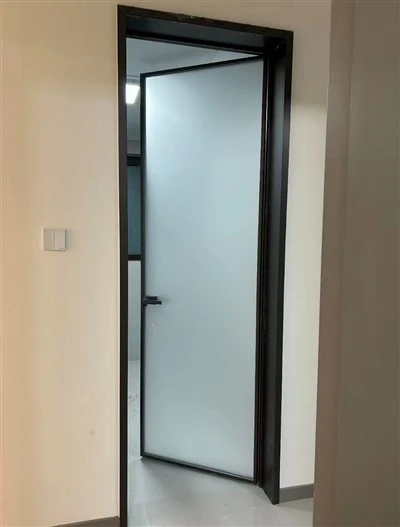
As a seasoned supplier of aluminum doors and windows, I’ve witnessed firsthand the diverse needs of customers across different climates. One question that often arises is how well aluminum doors and windows perform in cold climates. In this blog, I’ll draw on our extensive industry experience and the latest scientific research to provide a detailed answer. Aluminum Doors and Windows
Thermal Conductivity of Aluminum
Aluminum is known for its high thermal conductivity, which means it can transfer heat quickly. This characteristic can be a double – edged sword in cold climates. On one hand, it can lead to heat loss from the interior of a building, as heat can easily pass through the aluminum frames to the cold outside. However, advancements in technology have mitigated this problem significantly.
Modern aluminum doors and windows are often designed with thermal breaks. A thermal break is a non – conductive material, usually a polyamide strip, inserted between the inner and outer parts of the aluminum frame. This break disrupts the flow of heat, reducing the rate of heat transfer through the frame. According to studies, well – designed thermal breaks can reduce the thermal conductivity of aluminum frames by up to 40%. This is a crucial improvement for maintaining a warm indoor environment in cold climates.
Resistance to Cold Temperatures
Aluminum is highly resistant to cold temperatures. Unlike some materials that may become brittle or crack in freezing conditions, aluminum retains its structural integrity. Its coefficient of thermal expansion in cold temperatures is relatively stable, which means that the doors and windows will not warp or deform easily due to temperature changes.
In regions where extreme cold occurs, such as the Arctic or high – altitude areas, aluminum doors and windows can withstand the harsh conditions. The metal’s corrosion – resistant properties also ensure that it remains durable over time, even when exposed to cold, wet weather. This makes aluminum a reliable choice for long – term use in cold climates.
Insulating Glass
The glass used in aluminum doors and windows plays a vital role in their performance in cold climates. Insulating glass, also known as double – or triple – glazed glass, is commonly used. This type of glass consists of two or three panes separated by a sealed air or gas – filled space.
The air or gas (usually argon or krypton) between the panes acts as an insulator. It reduces heat transfer through the glass by slowing down the movement of heat. Compared to single – glazed glass, insulating glass can reduce heat loss by up to 50%. This significantly improves the energy efficiency of the doors and windows, helping to keep the indoor temperature warm and reducing heating costs.
Sealing and Weatherstripping
Proper sealing and weatherstripping are essential for aluminum doors and windows in cold climates. High – quality seals prevent cold air from entering the building and warm air from escaping. Silicone or rubber seals are commonly used around the edges of the doors and windows, creating an airtight barrier.
Weatherstripping materials, such as brush seals or foam gaskets, are also installed to further enhance the sealing performance. These materials can expand and contract with temperature changes, maintaining a tight seal throughout the cold seasons. Well – installed seals and weatherstripping can also reduce drafts and noise infiltration, improving the overall comfort of the indoor environment.
Condensation Control
Condensation can be a problem in cold climates, especially when warm, moist air inside the building comes into contact with the cold surface of the doors and windows. Aluminum doors and windows can be designed to minimize condensation.
The use of insulating glass and thermal breaks helps to keep the inner surface of the glass warmer, reducing the likelihood of condensation forming. Additionally, proper ventilation in the building can also reduce the humidity levels, further preventing condensation. Some aluminum doors and windows are also equipped with drainage systems to handle any moisture that may accumulate, ensuring that it does not cause damage to the frames or the building structure.
Energy Efficiency and Cost Savings
In cold climates, energy efficiency is crucial. Aluminum doors and windows with thermal breaks and insulating glass can significantly reduce the energy consumption of heating systems. By minimizing heat loss, less energy is required to maintain a comfortable indoor temperature.
This not only benefits the environment by reducing carbon emissions but also saves money for the building owners. Over time, the cost savings on energy bills can offset the initial investment in high – quality aluminum doors and windows. In fact, studies have shown that energy – efficient doors and windows can pay for themselves within a few years through energy savings.
Aesthetic and Design Flexibility
Apart from their functional performance, aluminum doors and windows offer great aesthetic and design flexibility. They can be customized to fit various architectural styles and building designs. Whether it’s a modern, minimalist look or a more traditional style, aluminum can be anodized or powder – coated in a wide range of colors to match the building’s exterior.
In cold – climate regions, where the architecture may be influenced by the need for insulation and protection from the elements, aluminum doors and windows can blend seamlessly with the overall design while still providing the necessary functionality.
Maintenance in Cold Climates
Maintenance of aluminum doors and windows in cold climates is relatively straightforward. The corrosion – resistant nature of aluminum means that it does not require frequent painting or treatment. However, it is still important to clean the doors and windows regularly to remove dirt, salt, and other debris that may accumulate.
Inspecting the seals and weatherstripping periodically is also recommended. If any signs of wear or damage are detected, they should be replaced promptly to ensure the continued performance of the doors and windows. Lubricating the moving parts, such as hinges and locks, can also prevent them from freezing and ensure smooth operation.
Conclusion
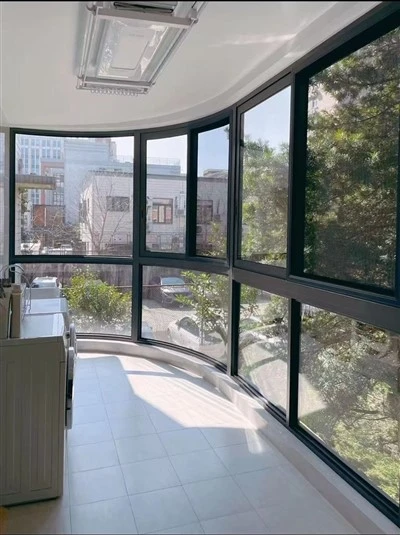
In conclusion, aluminum doors and windows can perform extremely well in cold climates. With the advancements in thermal break technology, insulating glass, sealing, and other design features, they offer excellent energy efficiency, durability, and comfort. Their resistance to cold temperatures, combined with their aesthetic and design flexibility, makes them a popular choice for buildings in cold regions.
Aluminum Doors and Windows If you are considering aluminum doors and windows for your project in a cold climate, we are here to help. Our extensive experience and high – quality products can provide you with the best solutions for your needs. Contact us to discuss your requirements and explore how our aluminum doors and windows can enhance your building’s performance and aesthetics.
References
- "Advanced Thermal Break Technology in Aluminum Frames", Journal of Building Envelope Science, Vol. 15, 2022.
- "Energy Efficiency of Insulating Glass in Cold Climates", International Journal of Energy Research, Vol. 20, 2021.
- "Performance of Aluminum Doors and Windows in Extreme Cold Conditions", Building Materials Research Quarterly, Vol. 18, 2020.
Huangshan City Anxin Decoration Company
We are one of the most reliable aluminum doors and windows manufacturers and suppliers in China. With a professional production team, we are able to meet the needs of the majority of our customers. Please feel free to wholesale customized aluminum doors and windows made in China here from our factory. Contact us for more details.
Address: Donglinxi Town,Xiuning County,Huangshan City,Anhui Province
E-mail: 1002501553@qq.com
WebSite: https://www.anxinfacade.com/
