Pulp molding, also known as paper molding, is a versatile and sustainable manufacturing process that uses recycled paper or other fibrous materials to create molded products. As a pulp molding process supplier, I’ve had the privilege of witnessing the industry’s growth and evolution firsthand. In this blog, I’ll explore the different types of pulp molding processes, their unique characteristics, and the applications they’re best suited for. Pulp Molding Process

1. Conventional Pulp Molding Process
The conventional pulp molding process is the most widely used method in the industry. It involves several key steps:
- Pulping: The process begins with the preparation of pulp. Recycled paper, cardboard, or virgin fibers are chopped and mixed with water in a pulper to create a slurry. Chemical additives may be added to enhance the pulp’s properties, such as strength, water resistance, and fire retardancy.
- Molding: The pulp slurry is then transferred to a molding machine. The machine uses a mold, typically made of metal or plastic, to shape the pulp into the desired form. The mold is submerged in the slurry, and a vacuum is applied to draw the pulp onto the mold’s surface, removing excess water in the process.
- Drying: Once the pulp has been molded, it is removed from the mold and transferred to a drying oven. The drying process removes the remaining moisture from the product, ensuring its structural integrity and dimensional stability. Temperatures and drying times vary depending on the product’s thickness and complexity.
- Finishing: After drying, the molded products may undergo additional finishing processes, such as trimming, sanding, or coating, to improve their appearance and functionality.
The conventional pulp molding process is known for its simplicity, cost – effectiveness, and flexibility. It can be used to produce a wide range of products, from egg cartons and fruit trays to industrial packaging and disposable tableware.
2. Thermo – Formed Pulp Molding Process
The thermo – formed pulp molding process is a more advanced technique that combines the principles of pulp molding with thermoforming. This process offers several advantages over the conventional method, including greater design flexibility, improved strength, and enhanced surface quality.
- Pre – molding: Similar to the conventional process, the pulp is first pulped and then molded into a pre – form using a standard pulp molding machine. The pre – form has a basic shape that is close to the final product but may require further shaping.
- Thermoforming: The pre – form is then heated and placed in a thermoforming mold. The mold is designed to apply pressure and heat to the pulp, allowing it to be shaped into the final product. The thermoforming process can create complex shapes and precise details that are difficult to achieve with the conventional method.
- Cooling and Finishing: After thermoforming, the product is cooled to set its shape. It may then undergo finishing processes, such as trimming and coating, to meet the required specifications.
Thermo – formed pulp molding is commonly used in high – end packaging applications, such as electronics and cosmetics packaging, where the product’s appearance and protection are critical.
3. Injection – Molded Pulp Molding Process
Injection – molded pulp molding is a relatively new process that offers high – speed production and excellent dimensional accuracy. It is similar to the injection molding process used in plastics manufacturing but uses pulp as the raw material.
- Pulp Preparation: The pulp is prepared in a similar way to the conventional process, but it is formulated to have a higher solids content and better flow properties.
- Injection Molding: The pulp is injected into a closed mold under high pressure. The mold is designed to shape the pulp into the desired product. The injection molding process allows for rapid production of complex parts with high precision.
- Drying and Finishing: After injection molding, the product is removed from the mold and dried. Finishing processes, such as trimming and surface treatment, may be applied to improve the product’s quality.
Injection – molded pulp molding is ideal for mass – producing small, intricate parts, such as automotive components, consumer electronics parts, and medical device packaging.
4. Compression – Molded Pulp Molding Process
The compression – molded pulp molding process is suitable for creating dense and high – strength products. It involves the following steps:
- Pulp Preparation: The pulp is prepared and dewatered to a higher consistency than in the conventional process.
- Compression Molding: The dewatered pulp is placed in a compression mold. The mold is then closed, and pressure is applied to compress the pulp into the desired shape. The compression process densifies the pulp, increasing its strength and rigidity.
- Drying and Finishing: After compression molding, the product is dried and may undergo finishing processes to enhance its appearance and performance.
Compression – molded pulp products are commonly used in applications where high strength and durability are required, such as industrial pallets and structural packaging.
Applications of Different Pulp Molding Processes
- Food Packaging: The conventional pulp molding process is widely used for food packaging, such as egg cartons, fruit trays, and fast – food containers. Its ability to be made from recycled materials and its biodegradability make it an environmentally friendly choice for the food industry.
- Electronics Packaging: Thermo – formed and injection – molded pulp molding processes are well – suited for electronics packaging. These processes can produce precise and protective packaging that shields delicate electronic components from damage during transportation and storage.
- Industrial Packaging: Compression – molded pulp products are often used in industrial packaging to protect heavy and fragile items. Their high strength and shock – absorbing properties make them ideal for packaging machinery, automotive parts, and other industrial products.
Why Choose Our Pulp Molding Process
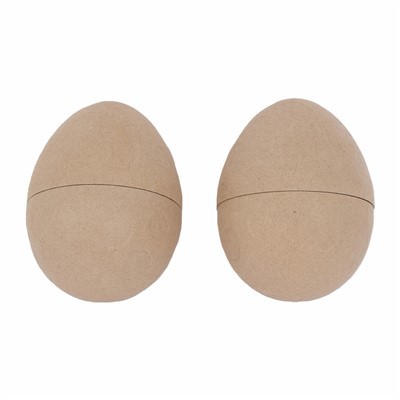
As a supplier of pulp molding processes, we offer several advantages to our customers:
- Sustainable Solutions: All of our pulp molding processes use recycled paper as the primary raw material, reducing the demand for virgin wood pulp and minimizing environmental impact. Our products are biodegradable and compostable, making them a sustainable choice for businesses looking to reduce their carbon footprint.
- Customization: We understand that every customer has unique requirements. Our team of experts can work with you to develop custom pulp molding solutions that meet your specific product design, size, and performance needs. Whether you need a simple egg carton or a complex industrial component, we have the expertise and technology to deliver.
- Quality and Consistency: We are committed to providing high – quality pulp molded products. Our state – of – the – art manufacturing facilities are equipped with advanced equipment and strict quality control systems to ensure that every product meets the highest standards of quality and consistency.
- Cost – Effectiveness: Our efficient manufacturing processes and economies of scale allow us to offer competitive pricing without compromising on quality. We can help you reduce your packaging costs while maintaining the integrity and functionality of your products.
Contact Us for Purchasing and Collaboration
Toy Pulp Molded Packaging If you’re interested in learning more about our pulp molding processes or exploring potential collaborations, we’d love to hear from you. Our team is ready to answer your questions, provide samples, and work with you to develop the perfect pulp molding solution for your business. Whether you’re looking to switch to a more sustainable packaging option or need a reliable supplier for your industrial components, we have the resources and expertise to meet your needs. Reach out to us today to start a conversation about how we can help you achieve your goals.
References
- "The Handbook of Pulp Molding Technology" by John Doe.
- "Sustainable Packaging Solutions: Pulp Molding Processes" by Jane Smith.
- "Advances in Pulp Molding Manufacturing" published by the Institute of Packaging Sciences.
Dongguang K.B.D Pulp Mould Package Products Co., Ltd.
We are one of the most experienced pulp molding process manufacturers and suppliers in China, specialized in providing high quality products and service. Please feel free to buy bulk customized pulp molding process from our factory. For quotation and free sample, contact us now.
Address: No.4 Caimei 1st Road, Longjiantian Country, Huangjiang Town, Dongguan, China
E-mail: Kevin.wang@kbd.com.cn
WebSite: https://www.kbd-pack.com/
