A butterfly valve seat is a critical component in a butterfly valve system, playing a pivotal role in ensuring proper sealing, flow control, and overall valve performance. As a seasoned supplier of butterfly valve seats, I’ve witnessed firsthand how offset design can have a profound impact on their performance. In this blog, I’ll delve into the technical intricacies of offset designs, their advantages, and how they can transform the performance of your butterfly valve systems. Butterfly Valve Seat

Understanding Offset Designs in Butterfly Valve Seats
The offset design in a butterfly valve seat refers to the positioning of the valve disc relative to the valve stem. This design is employed to minimize friction and wear between the disc and the seat when the valve is opened and closed. There are two primary types of offset designs: double – offset and triple – offset.
In a double – offset design, the valve stem is offset from the center of the disc and the center of the valve body. This offset allows the disc to disengage from the seat immediately upon opening, reducing friction and wear on both the disc and the seat. As the valve closes, the disc makes contact with the seat at a specific angle, providing a tight seal.
The triple – offset design takes the concept of offset further. In addition to the two offsets in the double – offset design, a third offset is introduced in the form of the sealing cone angle of the disc. This unique design ensures that the disc does not rub against the seat during operation, except at the moment of full closure. The result is an extremely low – friction operation and a high – integrity seal.
Impact on Sealing Performance
One of the most significant ways offset design affects the performance of a butterfly valve seat is in terms of sealing. A proper seal is essential to prevent leakage, which can lead to inefficiencies, safety hazards, and environmental issues in industrial applications.
The double – offset design offers a significant improvement over a single – offset or non – offset design in terms of sealing. The angled contact between the disc and the seat when the valve closes creates a wiping action. This wiping action helps to remove any debris or particles from the sealing surface, ensuring a clean and tight seal. The reduced friction during opening and closing also reduces the likelihood of damage to the seat, which can compromise the seal over time.
The triple – offset design takes sealing performance to an even higher level. The unique geometry of the triple – offset design creates a metal – to – metal seal that is both reliable and long – lasting. When the valve is closed, the disc fits precisely into the seat, creating a homogeneous sealing surface with no gaps and providing a bubble – tight seal. This makes triple – offset butterfly valve seats ideal for applications where zero leakage is required, such as in the oil and gas, chemical, and power generation industries.
Influence on Flow Control
Offset design also has a significant impact on the flow control capabilities of a butterfly valve seat. The ability to control the flow of fluid accurately is crucial in many industrial processes, ensuring efficient operation and product quality.
The reduced friction in double – and triple – offset designs allows for smoother operation of the valve. This means that the valve can be opened and closed more precisely, enabling better control of the flow rate. In addition, the offset designs result in a more streamlined flow path through the valve. Unlike some other valve types, the disc in an offset butterfly valve does not impede the flow significantly when fully open, which can reduce pressure drop and energy consumption in the system.
In applications where throttling is required, the offset design provides better performance. The angled contact between the disc and the seat allows for more precise adjustment of the flow area, providing a greater range of flow control. This is particularly important in applications where the flow rate needs to be adjusted frequently, such as in HVAC systems and water treatment plants.
Durability and Longevity
In industrial settings, durability and longevity are key considerations when selecting a butterfly valve seat. The offset design can greatly enhance the durability of the seat by reducing wear and tear.
The reduced friction between the disc and the seat in double – and triple – offset designs means less mechanical stress on the components. This results in less wear on both the disc and the seat material, extending the lifespan of the valve seat. Additionally, the wiping action in double – offset designs and the precise metal – to – metal contact in triple – offset designs help to prevent the accumulation of debris and corrosion on the sealing surface, which can also contribute to the longevity of the seat.
Since our company supplies high – quality butterfly valve seats with advanced offset designs, we’ve received numerous positive feedbacks from customers. They’ve reported significantly reduced maintenance costs and longer intervals between valve replacements, thanks to the enhanced durability of our products.
Temperature and Pressure Resistance
Offset designs also play a crucial role in the temperature and pressure resistance of butterfly valve seats. Different industrial applications operate under a wide range of temperature and pressure conditions, and the valve seat must be able to withstand these conditions without compromising performance.
The metal – to – metal sealing mechanism in triple – offset designs provides excellent temperature and pressure resistance. The precise fit between the disc and the seat can withstand high temperatures and pressures without deforming or losing its sealing ability. This makes triple – offset butterfly valve seats suitable for applications in high – temperature and high – pressure environments, such as steam systems and high – pressure pipelines.
Double – offset designs also offer good temperature and pressure resistance. The reduced friction and wear on the seat material help to maintain its integrity under challenging conditions. The wiping action can also prevent the formation of scale or deposits on the seat, which could otherwise affect its performance under varying temperatures and pressures.
Choosing the Right Offset Design for Your Application
When selecting a butterfly valve seat, it’s essential to choose the right offset design based on your specific application requirements. Consider factors such as the type of fluid being handled, the operating temperature and pressure, the required sealing performance, and the flow control needs.
For applications where a high – level of sealing and low friction are required, but the temperature and pressure conditions are relatively mild, a double – offset design may be sufficient. Double – offset butterfly valve seats are commonly used in water treatment, HVAC, and general industrial applications.
If your application involves high – temperature, high – pressure fluids, or requires zero leakage, a triple – offset design is likely the best choice. Triple – offset butterfly valve seats are widely used in the oil and gas, chemical, and power generation industries.
As a trusted supplier of butterfly valve seats, we have the expertise and experience to help you select the most suitable offset design for your application. Our team of technical experts can provide you with detailed information and guidance to ensure that you make the right decision.
Conclusion
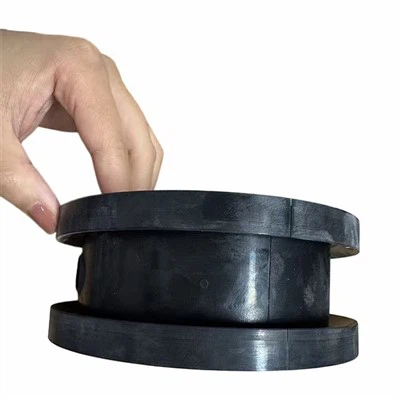
The offset design of a butterfly valve seat has a far – reaching impact on its performance, including sealing, flow control, durability, and temperature and pressure resistance. Whether you choose a double – offset or triple – offset design depends on your specific application needs. By understanding the benefits of each offset design, you can make an informed decision that will optimize the performance of your butterfly valve system.
Polyurethane Shock Absorber If you are in the market for high – quality butterfly valve seats, we are here to assist you. Our company offers a wide range of butterfly valve seats with advanced offset designs, ensuring reliable performance and long – lasting durability. Contact us to start a discussion about your requirements and explore how our products can meet your needs.
References
- Miller, J. (2018). Valve Technology Handbook. Elsevier.
- Smith, A. (2019). Industrial Valve Design and Application. CRC Press.
- Johnson, R. (2020). Sealing Technology in Valves. Wiley.
Haining Chaoyue Seals Co., Ltd.
As one of the most professional butterfly valve seat manufacturers and suppliers in China, we offer a wide range of products with superior quality. Please feel free to wholesale high quality butterfly valve seat made in China here from our factory. Also, custom service is available.
Address: Building 9, 158 Lianhong Road, Yuanhua Town, Jiaxing, Zhejiang, China.
E-mail: chaoyue@cyseals.com
WebSite: https://www.hncyseal.com/
