When embarking on an electrical project, one of the most crucial decisions you’ll make is choosing the right conductor wire. As a seasoned conductor wire supplier, I’ve witnessed firsthand the impact of this choice on the success and safety of various projects. In this blog, I’ll share my expertise on how to select the appropriate conductor wire for your specific needs. Conductor Wire

Understanding the Basics of Conductor Wires
Before delving into the selection process, it’s essential to understand the fundamental properties of conductor wires. Conductor wires are materials that allow the flow of electric current. The most common materials used for conductor wires are copper and aluminum.
Copper Wires
Copper is the preferred choice for many electrical applications due to its excellent electrical conductivity, high ductility, and resistance to corrosion. It can carry more current than aluminum of the same size, making it ideal for high – power applications. Copper wires also have a longer lifespan and are less likely to develop loose connections over time.
Aluminum Wires
Aluminum is a more affordable alternative to copper. It is lighter in weight, which can be an advantage in large – scale projects where weight is a concern. However, aluminum has lower electrical conductivity than copper, so larger wire sizes are often required to carry the same amount of current. Additionally, aluminum is more prone to oxidation, which can lead to increased resistance and potential safety hazards if not properly installed.
Factors to Consider When Choosing Conductor Wires
Current – Carrying Capacity
The current – carrying capacity, also known as ampacity, is one of the most important factors to consider. It refers to the maximum amount of electrical current that a wire can safely carry without overheating. To determine the appropriate ampacity for your project, you need to calculate the total electrical load. This involves adding up the power requirements of all the electrical devices that will be connected to the wire.
For example, if you’re wiring a room with several light fixtures, a refrigerator, and a television, you’ll need to find the wattage of each device. Then, use the formula (I=\frac{P}{V}) (where (I) is the current in amperes, (P) is the power in watts, and (V) is the voltage) to calculate the total current. Once you have the total current, you can select a wire with an ampacity that is equal to or greater than this value.
Voltage Rating
The voltage rating of a wire indicates the maximum voltage that the wire can safely handle. Using a wire with a voltage rating lower than the system voltage can lead to insulation breakdown and electrical shock. It’s crucial to choose a wire with a voltage rating that matches or exceeds the voltage of your electrical system. For residential applications in the United States, the standard voltage is 120V or 240V, so you’ll need to select wires with an appropriate voltage rating for these systems.
Wire Size
Wire size is typically measured in American Wire Gauge (AWG). The lower the AWG number, the larger the wire diameter. Larger wires have lower resistance, which means they can carry more current with less heat generation. When choosing the wire size, you need to consider both the current – carrying capacity and the length of the wire run. Longer wire runs require larger wire sizes to compensate for the increased resistance.
For instance, if you’re running a wire over a long distance to power a remote shed, you’ll need a larger wire size than if you’re wiring a short distance within a single room. You can use wire sizing charts provided by the National Electrical Code (NEC) or consult with an electrical engineer to determine the appropriate wire size for your project.
Insulation
The insulation of a conductor wire plays a vital role in preventing electrical shock and short circuits. Different types of insulation are available, each with its own properties and applications.
- Thermoplastic Insulation: This is the most common type of insulation for residential and commercial wiring. It is flexible, easy to work with, and offers good resistance to heat and moisture. Examples of thermoplastic insulation include PVC (polyvinyl chloride) and polyethylene.
- Thermoset Insulation: Thermoset insulation is more durable and heat – resistant than thermoplastic insulation. It is often used in high – temperature applications, such as industrial machinery and automotive wiring. Examples of thermoset insulation include rubber and silicone.
- Fiberglass Insulation: Fiberglass insulation is fire – resistant and can withstand high temperatures. It is commonly used in applications where fire safety is a concern, such as in electrical panels and wiring in commercial buildings.
Environmental Conditions
The environment in which the wire will be installed also affects the choice of conductor wire. For example, if the wire will be exposed to moisture, chemicals, or extreme temperatures, you’ll need to select a wire with appropriate insulation and protection.
- Moisture – Prone Areas: In areas such as basements, bathrooms, or outdoor installations, you should choose wires with moisture – resistant insulation. Wires with PVC insulation are a good choice for these applications as they offer excellent protection against water.
- Chemical Exposure: If the wire will be exposed to chemicals, such as acids or solvents, you’ll need to select a wire with chemical – resistant insulation. Teflon – coated wires are often used in chemical – processing plants and laboratories due to their high resistance to chemicals.
- High – Temperature Areas: In applications where the wire will be exposed to high temperatures, such as near furnaces or in industrial ovens, you’ll need to choose a wire with high – temperature insulation. Silicone – insulated wires can withstand temperatures up to 200°C or more.
Specific Applications and Wire Selection
Residential Wiring
In residential wiring, copper wires are the most commonly used due to their superior electrical properties and safety. For general lighting and outlet circuits, 14 AWG or 12 AWG copper wires are typically used. 14 AWG wire is suitable for circuits with a maximum load of 15 amps, while 12 AWG wire can handle up to 20 amps.
For larger appliances such as electric ranges, dryers, and air conditioners, 10 AWG or 8 AWG copper wires are required. These wires can carry higher currents and are necessary to ensure the safe operation of these high – power appliances.
Commercial and Industrial Wiring
In commercial and industrial settings, the requirements for conductor wires are more demanding. Larger wire sizes and higher ampacities are often needed to power heavy machinery and equipment. Aluminum wires may be used in some cases, especially for large – scale installations where cost and weight are important factors.
For example, in a manufacturing plant, large motors and industrial equipment may require 4 AWG or even larger wires. These wires need to be able to handle high currents and may be installed in conduit systems for added protection.
Automotive Wiring
Automotive wiring requires wires that are flexible, lightweight, and resistant to vibration and heat. Copper wires with thin insulation are commonly used in automotive applications. The wire sizes used in cars typically range from 18 AWG to 6 AWG, depending on the electrical load of the component.
For example, the wiring for the headlights may use 16 AWG wire, while the wiring for the starter motor may require 6 AWG wire.
Working with a Conductor Wire Supplier
As a conductor wire supplier, I understand the importance of providing high – quality products and expert advice. When you’re choosing the right conductor wire for your project, it’s essential to work with a reliable supplier who can offer a wide range of options and ensure that you get the right wire for your specific needs.
- Product Knowledge: A good supplier should have in – depth knowledge of conductor wires, including their properties, applications, and industry standards. They should be able to answer your questions and provide guidance on wire selection.
- Quality Assurance: Look for a supplier who offers high – quality conductor wires that meet or exceed industry standards. This ensures the safety and reliability of your electrical project.
- Custom Solutions: If you have specific requirements for your project, a reputable supplier should be able to provide custom – made conductor wires. This may include special wire sizes, insulation types, or color coding.
If you’re in the process of planning an electrical project and need assistance in choosing the right conductor wire, I’m here to help. I can provide you with detailed information about our products, offer technical support, and assist you in finding the best solution for your project. Whether you’re a homeowner, an electrician, or a business owner, I’m committed to providing you with the highest level of service and the best conductor wires on the market.
Conclusion
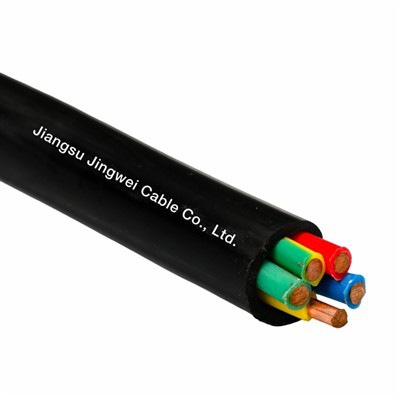
Choosing the right conductor wire for a project is a critical decision that can have a significant impact on the safety, performance, and cost of your electrical system. By considering factors such as current – carrying capacity, voltage rating, wire size, insulation, and environmental conditions, you can make an informed choice. Working with a reliable conductor wire supplier like me can also ensure that you get the best products and expert advice for your project.
Control Cable If you’re interested in learning more about our conductor wires or would like to discuss your project requirements, please don’t hesitate to reach out. I look forward to helping you with your electrical needs.
References
- National Electrical Code (NEC)
- IEEE Standards for Electrical Conductors
- Handbook of Electrical Engineering
Jiangsu Jingwei Cable Co., Ltd.
As one of the leading conductor wire manufacturers in China, we warmly welcome you to buy bulk durable conductor wire made in China here from our factory. All cables are with high quality and competitive price. For pricelist and free sample, contact us now.
Address: Industrial Concentration Zone C, Guanlin Town,Yixing City, Jiangsu Province
E-mail: marilyn.wang@jingwei-cable.com
WebSite: https://www.jwcable.com/
