As a supplier of pipeline pumps, I understand the critical importance of proper maintenance for these essential pieces of equipment. Pipeline pumps play a vital role in various industries, including water supply, chemical processing, and oil and gas. Ensuring their reliable operation not only enhances productivity but also reduces downtime and maintenance costs. In this blog, I will share the key points of maintenance for a pipeline pump based on my experience in the industry. Pipeline Pump

Regular Inspection
Regular inspection is the foundation of effective pipeline pump maintenance. It allows you to identify potential issues early on and take proactive measures to prevent major breakdowns. Here are some key aspects to focus on during inspections:
Visual Inspection
Conduct a visual inspection of the pump and its components regularly. Check for any signs of leakage, corrosion, or damage. Look for loose or missing bolts, worn-out gaskets, and signs of excessive vibration. Pay special attention to the pump casing, impeller, shaft, and seals. Any visible damage or wear should be addressed immediately to prevent further deterioration.
Lubrication
Proper lubrication is essential for the smooth operation of the pump. Check the lubrication levels regularly and ensure that the lubricant is clean and of the correct type. Follow the manufacturer’s recommendations for lubrication intervals and use high-quality lubricants. Inspect the lubrication system for any signs of leakage or blockage. If necessary, replace the lubricant and filters as recommended.
Alignment
Misalignment can cause excessive vibration, premature wear, and reduced efficiency in the pump. Check the alignment of the pump and motor regularly using alignment tools. If misalignment is detected, adjust the alignment to ensure proper operation. Proper alignment not only extends the life of the pump but also reduces energy consumption.
Temperature and Pressure
Monitor the temperature and pressure of the pump during operation. Abnormal temperature or pressure readings can indicate problems such as overheating, blockages, or cavitation. Use temperature and pressure gauges to track these parameters and take appropriate action if necessary. If the temperature or pressure exceeds the recommended limits, shut down the pump immediately and investigate the cause.
Preventive Maintenance
In addition to regular inspections, preventive maintenance is crucial for ensuring the long-term reliability of pipeline pumps. Here are some preventive maintenance tasks that should be performed on a regular basis:
Cleaning
Keep the pump and its surroundings clean to prevent the accumulation of dirt, debris, and contaminants. Regularly clean the pump casing, impeller, and other components using a suitable cleaning agent. Remove any foreign objects that may have entered the pump. Cleaning not only improves the performance of the pump but also reduces the risk of corrosion and damage.
Seal Maintenance
The seals of the pump play a critical role in preventing leakage and ensuring the integrity of the system. Inspect the seals regularly for signs of wear, damage, or leakage. Replace the seals as recommended by the manufacturer. Proper seal maintenance helps to prevent fluid leakage, which can lead to environmental contamination and equipment damage.
Bearing Maintenance
The bearings of the pump support the rotating shaft and ensure smooth operation. Inspect the bearings regularly for signs of wear, noise, or excessive heat. Lubricate the bearings as recommended by the manufacturer. If the bearings show signs of wear or damage, replace them immediately to prevent further damage to the pump.
Impeller Maintenance
The impeller is the heart of the pump and is responsible for generating the flow and pressure. Inspect the impeller regularly for signs of wear, erosion, or damage. If the impeller is worn or damaged, it can reduce the efficiency of the pump and cause excessive vibration. Replace the impeller as recommended by the manufacturer.
Troubleshooting
Despite regular maintenance, pipeline pumps may still experience problems from time to time. Here are some common problems and their possible solutions:
Low Flow or Pressure
If the pump is not delivering the expected flow or pressure, it could be due to a variety of reasons, such as blockages, impeller damage, or incorrect pump sizing. Check the suction and discharge lines for blockages and remove any debris. Inspect the impeller for damage and replace it if necessary. If the pump is undersized for the application, consider upgrading to a larger pump.
Excessive Vibration
Excessive vibration can be caused by misalignment, unbalanced impellers, or worn bearings. Check the alignment of the pump and motor and adjust it if necessary. Balance the impeller to reduce vibration. Inspect the bearings for wear and replace them if needed.
Leakage
Leakage can occur at the seals, gaskets, or connections of the pump. Inspect the seals and gaskets for damage and replace them if necessary. Tighten the connections to prevent leakage. If the leakage persists, it may be necessary to replace the entire pump or component.
Overheating
Overheating can be caused by a variety of factors, such as high ambient temperature, insufficient cooling, or excessive friction. Check the cooling system to ensure that it is functioning properly. Increase the cooling capacity if necessary. Inspect the bearings and seals for excessive friction and replace them if needed.
Training and Education
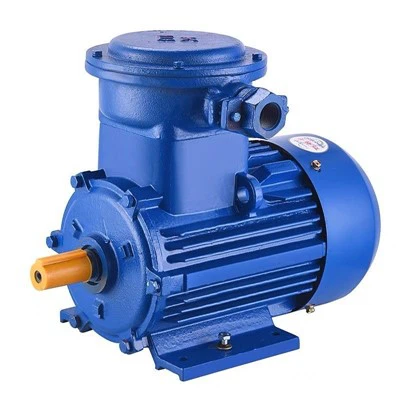
Proper training and education are essential for ensuring that the maintenance personnel have the knowledge and skills to perform the maintenance tasks effectively. Provide training on the operation, maintenance, and troubleshooting of the pipeline pumps. Ensure that the maintenance personnel are familiar with the manufacturer’s recommendations and procedures. Regularly update the training to keep the maintenance personnel up-to-date with the latest technologies and best practices.
Conclusion
Vertical Multistage Pump Proper maintenance is essential for the reliable operation of pipeline pumps. By following the key points of maintenance outlined in this blog, you can ensure that your pipeline pumps operate efficiently and effectively, reduce downtime and maintenance costs, and extend the life of the equipment. As a pipeline pump supplier, I am committed to providing high-quality products and comprehensive support to our customers. If you have any questions or need assistance with the maintenance of your pipeline pumps, please do not hesitate to contact us. We look forward to working with you to meet your pumping needs.
References
- Manufacturer’s manuals and technical documentation
- Industry standards and best practices
- Professional literature on pump maintenance and troubleshooting
Taizhou Goodpump Trading Co., Ltd.
We’re well-known as one of the most professional pipeline pump enterprises in China, featured by quality products and good service. Please rest assured to buy discount pipeline pump in stock here from our factory. For quotation, contact us now.
Address: No. 38, District 6, Zhengye Village, Lunan Street, Luqiao District, Taizhou City, Zhejiang Province, China
E-mail: 19548175755@163.com
WebSite: https://www.goodpump-cn.com/
