If you’ve ever stood in a commercial kitchen and cursed at an exhaust hood that’s either too loud to hear your line cook over or so weak it can’t keep up with the steam from a pot of boiling stock, you’ve wondered at some point: can I actually control the speed of a wall mounted exhaust hood? As a wall mounted exhaust hood supplier who’s spent the last 12 years troubleshooting, designing, and installing these units for everything from 10-seat cafes to 100+ seat chain restaurants, this question isn’t just a technical detail—it’s one of the most common pain points my clients bring to me, and one that’s way more flexible than most people assume. Wall Mounted Exhaust Hood
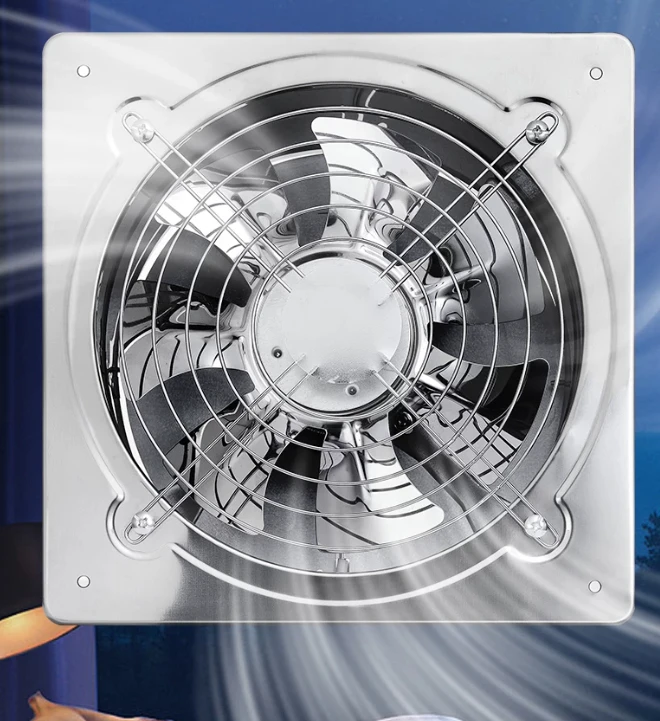
Let’s start with the basics for anyone who doesn’t work in ventilation day in and day out. A wall mounted exhaust hood’s core job is to pull in grease, smoke, steam, and cooking fumes before they drift into the kitchen or out into the dining area. Older, basic hoods are set to one fixed speed: they blast air at a single, constant rate from the second you flip the power on. That works fine for small, low-volume kitchens where there’s never a lot happening, but if you run a busy spot, that one-size-fits-all speed creates two big problems. First, when it’s set to high to clear a quick burst of frying fumes, it’s running extra hard during slow periods, wasting energy and making more noise. Second, if it’s set to low to cut down on noise during a quiet brunch shift, it might not pull enough air when you’re firing up three griddles at once. So yes, controlling speed isn’t just a nice-to-have—it’s a way to make your kitchen run better, quieter, and cheaper.
Now, let’s get into the real ways you can control that speed, because it’s not a one-solution answer. The biggest factor here is what kind of system you have attached to your wall mounted exhaust hood. If you have a basic single-speed hood with a standard AC motor, you’re pretty limited—those motors only have two settings: on or off, high or low, no in-between. But if you’ve upgraded to a modern hood with the right motor and controls, you have multiple options, each suited to different needs.
The most common and affordable speed control option for wall mounted exhaust hoods is a manual variable speed controller. This is a small, wall-mounted switch (think of it like a dimmer switch, but for air) that lets you adjust the blower’s speed anywhere from 0 to 100% while the hood is running. I installed one of these for a tiny bakery last year—they use their hood only for baking cookies and small batches of bread, and during off-hours, they drop the speed to 30% just to keep stale smells out of the front of house, then crank it up to 90% when they pull a tray of sourdough out of the oven that’s been proofing all day. The key here is that this works with most modern blower motors, but you have to make sure the controller is rated for your specific motor size and type—match it wrong, and you can burn out the motor or cause dangerous voltage drops. I’ve seen clients pick up a cheap off-brand controller at a hardware store that said “works for any blower,” only to have their hood shut down mid-shift because of a bad connection. Always check with your supplier before buying extra parts, that’s the rule I live by.
Next up is step-speed control, which is a middle ground between fixed speed and fully manual variable. Step-speed systems have 2 to 4 pre-set speed levels, labeled something like Low, Medium, High, and Boost. This is perfect for kitchens where you don’t want staff messing with a dimmer every time the cooking load changes—no accidental half-speed, just clear options. For example, a coffee shop with a small wall mounted hood for espresso and pastry prep can set Low for when they’re just pulling shots, Medium for the morning pastry rush, and High only if they ever do any light toasting or pan frying. The best part about step-speed is it’s super reliable, no complicated programming, and usually cheaper than a variable controller if you don’t need fine-tuning. I installed step-speed controls for a local pizza place last year—they run a small wall hood over their dough prep and topping station, and the three-speed setup means they don’t blast extra air when they’re just setting up, only when they’re moving dough around or using a small conveyor to warm pre-made pies.
The next level is automatic speed control, and this is where things get really game-changing for commercial kitchens. Automatic systems use sensors built into the hood to adjust speed based on how much fume is present, and they’re perfect for anyone who wants to reduce labor and energy waste. The two most common sensors are smoke/heat sensors and carbon dioxide (CO2) or volatile organic compound (VOC) sensors. Smoke sensors pick up the particulate matter from grease, burnt food, or frying oil, and adjust the blower speed to match how much smoke is in the hood. Heat sensors work similarly—when a hot grill or fryer is cranked on, the heat and air flow into the hood, and the sensor pushes the speed up automatically. I’ve had clients tell me automatic controls cut their ventilation energy bills by 30% or more, because the hood isn’t running at full speed 16 hours a day for no reason. One of my favorite recent projects was a farm-to-table restaurant that does daily wood-fired specials—their wall mounted hood has an automatic system that kicks up to full speed when it detects wood smoke, drops to 50% during the slow midday lull, and keeps a low fan running overnight to pull out stray kitchen odors. No staff has to remember to adjust it, and they haven’t had a single complaint about fumes drifting into the dining room in two years.
Wait, but what if you have an older wall mounted exhaust hood, the kind that was installed 10 or 15 years ago with a fixed-speed motor? Can you add speed control to that? The short answer is usually yes, but it depends on the motor. If your hood uses an induction motor (the most common type in older commercial equipment), you can add a variable frequency drive (VFD) to control speed. A VFD is a small device that adjusts the frequency of the power going to the motor, which changes how fast it spins—no need to replace the entire blower, just the drive and a controller. It’s a little more expensive than a new controller, but way cheaper than buying a whole new wall mounted exhaust hood. I’ve upgraded half a dozen old hoods for small cafes over the years, and every one of them has saved enough on utility bills to pay for the upgrade in less than 18 months.
But before you run out and buy a new controller or upgrade your old hood, there are a few important safety rules to remember. Ventilation systems aren’t just about comfort—they’re a key part of fire safety for commercial kitchens. Local fire codes and health department regulations set minimum airflow rates for exhaust hoods, based on what you’re cooking, how big the hood is, and how many appliances you have under it. You can’t crank the speed down so low that you don’t meet those minimums, because that lets grease and smoke build up in the hood ductwork, which is a huge fire hazard. I always tell clients: if you’re going to adjust speed, never go below the minimum CFM (cubic feet per minute) required for your setup. If you don’t know what that number is, your local building inspector or a reputable ventilation tech can check it for you. Another safety note: variable speed systems don’t work well with some ductwork configurations, especially if you have a long run of duct or multiple hoods connected to the same blower. Too much back pressure from the duct can make the blower work inefficiently, so always make sure your entire system is designed to handle variable speeds.
There’s also a common myth that adjusting exhaust speed will mess with the kitchen’s make-up air system, which brings fresh air into the kitchen to replace the air the hood pulls out. That’s only true if you adjust the hood’s speed without adjusting the make-up air. If your system is balanced properly, and you change the hood’s speed, the make-up air will adjust automatically too (if you have an automatic system) or you can adjust it yourself to match. If you don’t, you might end up with weird pressure in the kitchen—too much positive pressure makes fumes leak out, too much negative pressure makes doors slam and heating/AC bills skyrocket. That’s why it’s always best to work with someone who knows your specific hood and kitchen layout when you’re adding speed controls.
So, going back to the original question: can I control the speed of a wall mounted exhaust hood? Absolutely. Whether you have a basic hood you want to upgrade, or you’re buying a new one, there are options for every use case, from simple manual dimmers to fully automatic systems that adjust to your cooking load. The key is to pick the right solution for your kitchen size, cooking style, and budget, and to make sure it’s installed correctly so you stay safe and compliant.

If you’re currently dealing with a hood that’s too loud, too slow, or wasting energy, I’d be happy to walk through your options with you. Every kitchen is different—what works for a small coffee shop won’t work for a busy steakhouse, and vice versa. We don’t do one-size-fits-all solutions here, because your ventilation system should work for your kitchen, not the other way around. If you’re ready to talk through your needs, feel free to reach out to connect for a procurement consultation.
Exhaust Fan References
- National Fire Protection Association. (2022). NFPA 96: Standard for Ventilation Control and Fire Protection of Commercial Cooking Operations. Quincy, MA: National Fire Protection Association.
- American Society of Heating, Refrigerating and Air-Conditioning Engineers. (2021). ASHRAE Standard 154: Ventilation for Commercial Cooking Operations. Atlanta, GA: American Society of Heating, Refrigerating and Air-Conditioning Engineers.
- Underwriters Laboratories. (2019). UL Standard 705: Safety for Commercial Ventilation Equipment. Northbrook, IL: Underwriters Laboratories Inc.
Jiaxing Zenterest Import & Export Co., Ltd.
With abundant experience, we are one of the most professional wall mounted exhaust hood manufacturers and suppliers in China. Please feel free to wholesale high quality wall mounted exhaust hood made in China here from our factory. We also accept customized orders.
Address: Room 101-3, Building 46, Zhifu Center, Gaozhao Subdistrict, Xiuzhou District, Jiaxing City, Zhejiang Province, P.R.China
E-mail: bonnie.wu@zenterestvent.com
WebSite: https://www.zenterestvent.com/
