Hey everyone, if you’re running a shop floor or managing equipment for a manufacturing operation with vertical machining centers (VMCs), you know that picking the right coolant isn’t just a “set it and forget it” task. I’m Alex, part of the VMC supply team here, and I’ve heard so many horror stories from shops that grabbed whatever coolant was cheapest or what the local parts store recommended—only to deal with weird tool wear, weird foam buildup, or even those annoying skunky smells that make the whole lunch break suck. Today, we’re breaking down exactly how to select coolant that’ll work for your VMC, keep your machine running smooth, and save you cash in the long run. No stuffy industry jargon, just real stuff I’ve seen play out on shop floors all over. Vertical Machining Centers
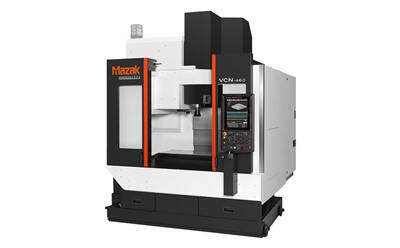
First off, let’s talk about what your VMC actually does, because coolant isn’t just for cooling. Wait, no—cooling is the big one, but there’s way more to it. When your VMC’s spinning a endmill at 10,000 RPM, that tool and workpiece are generating insane heat—enough to soften the tool’s edge, make your workpiece warp, or even mess up the precision you’re paying for. Coolant also flushes away chips so they don’t scratch your part or clog the spindle, lubricates the tool and machine parts to reduce friction, and prevents corrosion on both the workpiece and the VMC itself. Pick the wrong coolant, and you’re looking at more tool changes, scrapped parts, and even machine repairs down the line. Not cool, right?
First step here: nail down the material you’re machining. This is non-negotiable. Different metals play totally different with coolants, and messing this up is a one-way ticket to bad results. Let’s break down the most common ones I see. If you’re running aluminum, for example—super popular for aerospace, automotive parts, even consumer stuff—you need a coolant that doesn’t leave a gummy residue. Aluminum has that goopy buildup called “aluminum smut” that can stick to the tool or spindle, ruining finishes. A lot of shops reach for semi-synthetic coolants here, because they’re mild, don’t leave that sticky mess, and cut down on foam. Wait, but if you’re machining steel—carbon steel, tool steel, whatever—you’ll need something with a little more lubricity, right? Steel generates more heat and tends to have built-up chips that are harder to flush. Straight synthetic coolants or heavy-duty semi-synthetics work well here, because they have extra additives to prevent rust on the machine and stop the chips from welding to the tool edge. And if you’re dealing with super tough stuff like titanium or Inconel—those aerospace and medical parts—you need a high-performance synthetic or even a neat cutting oil. Those materials create so much heat that standard coolants can’t keep up, and the additives in high-end coolants prevent work hardening, which would destroy your tool in minutes. I remember a shop we worked with last year that tried using a generic semi-synthetic on titanium parts—they were going through endmills every two hours. Switched to our recommended high-performance coolant, and they’re now getting 12 hours per tool. That’s a huge cost save, y’all.
Next up: your VMC’s specific setup and machine specs. Not every VMC is the same, so what works on a older 10-year-old machine might not work on your brand-new 5-axis high-speed VMC. Let’s start with the spindle. If you’ve got a high-speed spindle—say, 15,000 RPM or higher—you’re gonna get more air entrainment, which leads to foam. Too much foam can mess with the coolant’s flow to the cutting zone, and even overflow the sump. So for high-speed VMCs, you want a coolant that’s designed for anti-foam, specifically. A lot of generic coolants use cheap antifoam additives that break down super fast under high RPM heat, so invest in one made for high-speed machining. Also, check your machine’s sump size. If you’ve got a small sump on a compact VMC, you’re changing coolant more often, so you’ll want something that’s long-lasting (good biocides to prevent that stinky bacteria growth) to cut down on change-outs. Larger sumps? Maybe you can go with a slightly more affordable option, but still, don’t skimp on the biocides—nothing worse than a sump that turns into a science experiment.
Another big thing here: the quality of the water you’re mixing with your coolant. Dude, I can’t tell you how many shops ignore this, and it’s the root of so many issues. Coolants are concentrated, right? You mix them with water to get the right ratio (usually 5-10% for most machining). If your water is hard—high in calcium or magnesium—that can react with the coolant’s additives, causing them to drop out, form sludge, or lose their lubricating properties. Soft water is better, but if you only have hard water, you’ll need to pick a coolant that’s formulated for hard water areas. I’ve seen shops in rural areas with well water go through three times more coolant because they didn’t adjust for hard water. Also, if your water has a lot of chlorine or other chemicals, that can break down the coolant’s biocides, leading to that rancid smell way faster. Test your water first, seriously—it’s a $10 test that saves you a ton of headache.
Now, let’s talk about operating factors, because how you use your VMC matters too. What’s your cycle time? If you’re running high-volume, continuous machining shifts (like 24/7 for automotive parts), you need a coolant that’s stable under constant use, with good microbial resistance. Those shops can’t afford to shut down the line every week to change sump fluid. On the flip side, if you’re a job shop running one-off parts, maybe you can go with a slightly less heavy-duty coolant, just make sure it still covers the materials you’re running. Also, surface finish requirements. If you’re making parts that need a mirror finish—like mold tools or medical implants—you need a coolant that delivers consistent lubrication without leaving streaks or residue. Semi-synthetics with extra lubricity additives are perfect here, because they leave a clean finish that doesn’t require extra washing later. If finish isn’t as big a deal, like roughing out large steel parts, you can get away with a more budget-friendly option that still prevents rust and flushes chips.
Wait, let’s not forget about the not-so-fun stuff: maintenance and environmental factors. A lot of shops skip this, but coolant maintenance is tied to your selection. If you’re gonna keep the sump clean and test coolant concentration every week, you can use a coolant that’s a bit more high-performance, maybe a bit more expensive, because the maintenance will keep it working. If you’re short on time for maintenance—like a small shop with one guy handling machines, and he’s swamped—you want a coolant that’s more forgiving, with longer biocide life, so it doesn’t go bad between change-outs. Also, environmental rules are getting stricter everywhere. A lot of areas have limits on how you can dispose of used coolant, so pick one that’s biodegradable where possible, or has low VOCs if you’re running a shop with ventilation concerns. I had a shop in California last year that got fined because their old coolant had high VOCs and was making the air in the shop toxic. Switched to a low-VOC coolant, no more issues, and they even qualified for a small environmental rebate. Win-win.
Let’s run through a quick example to make this real, because I know numbers help. Say you’ve got a mid-sized VMC running 8-hour shifts, machining 6061 aluminum for bike frames, using well water that’s moderately hard. What do you pick? A semi-synthetic coolant designed for aluminum, mixed at 7-8% ratio (adjusted for your hard water), with anti-foam additives for the VMC’s 10,000 RPM spindle. This will prevent aluminum smut, keep foam down, resist bacteria so your sump doesn’t stink, and deliver a smooth finish for the bike’s frame. Compare that to grabbing a generic coolant from the hardware store: you’d get smut buildup, foam blocking the nozzle, a sump that smells like rotten eggs after a month, and you’d go through coolant way faster because it breaks down in hard water. That’s a no-brainer.
Common mistakes to avoid, by the way. First, never mix different coolant brands. Each brand has different additive packages, and mixing them can cause sludge, reduced performance, even damage to your VMC. I’ve seen that happen—shop mixed two coolants, woke up one morning to a sump full of goop that had to be drained, costing them a full day of production. Second, don’t go for the cheapest option upfront. That $50 bucket of coolant might save you $20 today, but it’ll cost you way more in tool changes, scrapped parts, and machine repairs later. Third, don’t ignore testing. Test your coolant’s concentration weekly, test for pH levels, test for bacteria. A quick test kit is cheap, and it lets you adjust before small problems turn into big ones.
At the end of the day, picking the right coolant for your VMC isn’t rocket science—it’s about matching the coolant to what you’re machining, how your machine is set up, and your shop’s operating style. If you’re still unsure, or if you’ve got a specific application you’re working on, our team here is always here to help. We’ve worked with hundreds of shops across industries, from small job shops to large aerospace facilities, and we can point you to the exact coolant that’ll fit your VMC, parts, and budget. No sales pitch, no pressure—just real advice from people who work with VMCs every day, same as you. If you want to chat through your needs, reach out to our team to connect. We’re happy to walk through options, answer any questions, and make sure you get the right fit.
Coordinate Measuring Machine References:
- Machining Data Handbook, 4th Edition. Society of Manufacturing Engineers, 2020.
- "Coolant Selection and Maintenance for Machine Tools." National Institute for Occupational Safety and Health, 2021.
- "Cutting Fluids: Types, Performance, and Application." Manufacturing Engineering Association, 2022.
Hermens Industrial Co., Ltd.
As one of the most professional vertical machining centers enterprises in China, we’re featured by quality products and low price. Please rest assured to buy cheap vertical machining centers in stock here and get quotation from our factory. We also accept customized orders.
Address: 9/59 Moo 14, Rachathewa , Bang Phli , Samut Prakan Province 10540
E-mail: liu_jincheng@hzhemen.com
WebSite: https://www.hermensindustrial.com/
