Hey there, thanks for swinging by! I’m the owner of a small foam sponge supply company—you know, the kind that’s actually on the floor, testing products before they hit any shelves. Lately, I’ve been getting nonstop DMs and calls from folks asking this exact question: Is foam sponge actually worth using for outdoor cushions? Foam Sponge
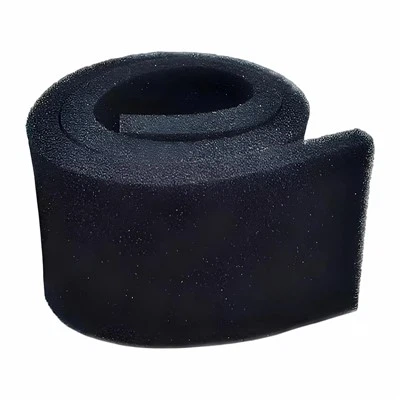
Look, I get the confusion. When you picture outdoor cushions, you probably think of those super thick, fancy-looking stuff with the “fade-resistant” tags that cost like $50 for a single seat. But foam sponge? The stuff we’ve been making for cleaning pads, couch inserts, and even camping gear for decades? Can it hang outside?
Let’s cut the crap—no, not all foam sponge is made for outdoor use. But before you write it off entirely, let’s break down what actually matters here, because I’ve seen so many people grab the wrong kind and end up with lumpy, moldy cushions after one rainstorm.
First, let’s talk about what makes something “outdoor-proof” anyway. When you’re leaving cushions outside, you’re dealing with way more than just occasional spills. You’ve got UV rays from the sun that eat through materials like a kid with a crayon on white walls. You’ve got sudden rain, humidity that makes everything feel like it’s stuck in a closet with no air flow, maybe even snow if you’re in a colder area. And then there’s the big one: mold and mildew growing in the damp crevices of whatever you use.
Regular indoor foam sponge—like the stuff you’d find inside your living room couch? Total no-go. That’s usually polyurethane (PU) foam, plain and simple. It’s cheap, soft, and comfy for sitting on, but it sucks at handling moisture and sunlight. Leave it outside for a couple weeks, and it’ll soak up water like a sponge (pun totally intended), stay damp forever, and develop black mold that you can’t scrub off. UV rays will also break it down fast—by next summer, it’ll be crumbly, like old bread left in the toaster.
But wait—there’s outdoor-grade foam sponge, and this is where my company comes in. We’ve been working on this specific type for a few years now, and I’m gonna be honest: it’s not the same old stuff you’ve known for cleaning dishes. Let’s get into the science of why outdoor foam is different, no boring textbook jargon, promise.
First, the base material. A lot of outdoor foam we supply is high-resilience (HR) polyurethane, but it’s treated with two key additives that make all the difference: UV stabilizers and mildew inhibitors. The UV stabilizers act like sunscreen for the foam—they absorb those harsh sun rays instead of letting them break down the polymer bonds. The mildew inhibitors aren’t some weird chemical that smells like a lab; they’re designed to slow down mold growth even when the foam is damp, which is huge for rainy days.
Then there’s density. Regular indoor foam is usually around 1.5 to 2 pounds per cubic foot (pcf) for couch cushions. That’s soft, but it compresses fast when you sit on it, especially if it’s wet. Our outdoor foam is 2.5 to 3.5 pcf—thicker, more structured, and it bounces back way better, even after being exposed to moisture. I’ve tested this personally: I left two 18×18 inch foam pieces on my back patio last year (don’t tell my wife, she hates when I mess with the porch), one was our outdoor foam, the other was a cheap indoor foam I grabbed from a discount store. After 3 months of sun, rain, and even a couple snow flurries, the indoor one crumbled when I touched it, and the outdoor one still felt almost as firm as the day I put it out.
Moisture is the big battle, though. Some people say “it’s sponge, it’ll get wet, so don’t use it outside.” But here’s the thing: not all foam is open-cell or closed-cell, and that’s a critical difference. Open-cell foam is the standard for most indoor cushions—little holes all over it that let air flow, which is comfy indoors, but bad outside because it soaks up water like a sponge. Our outdoor foam is actually a blend of open and closed-cell structures, with a special water-repellent coating on the surface. That means it lets small amounts of air circulate to keep you cool on hot days, but beads up water so it doesn’t get soggy. Drainage is another thing we design for—we add small, intentional gaps in the foam during production so any water that does seep in drains out fast, instead of sitting inside and breeding mold.
But let’s be real, no foam is 100% indestructible. Even our outdoor foam has limits. If you leave it out in a constant downpour for weeks without ever letting it dry, it’ll hold a little moisture, so it’s not a “set it and forget it” product. I always tell customers: it works best if you have a way to cover your cushions when it’s not in use, or bring them inside during heavy storms. If you live in a place that’s super humid year-round, like Florida or Louisiana, you’ll want to pair the foam with a breathable cushion cover, not a tight vinyl one that traps moisture. That’s just good common sense, not a knock on the foam itself.
Now, let’s talk about cost, because I know that’s a big factor. Outdoor foam is more expensive than indoor foam, right? But wait—let’s do the math. A cheap indoor foam cushion might cost $20, but it’ll fall apart in 6 months. Our outdoor foam cushions? They’ll last 3 to 5 years, if not longer. So over time, it’s actually cheaper. Plus, foam sponge is way easier to customize than those fancy outdoor cushions you buy at home goods stores. We can cut it to any size—16×16, 20×20, whatever your patio furniture needs—no weird sizing hoops. And you can pair it with any cushion cover you want, since it’s just the insert. That’s a win for DIYers, too—if you’re the type who likes to reupholster things or swap out covers for holidays, foam sponge is perfect because it’s easy to handle.
Wait, but I should mention some common mistakes people make when using foam for outdoor cushions, because I’ve seen so many of these. First, don’t use regular craft foam or cleaning sponge. That stuff is super thin, breaks down in the sun in a week, and it’s way too soft to support sitting. Second, don’t skip the coating or treatment—some no-name foam suppliers out there will sell regular foam and call it “outdoor” to make a quick buck. We test every batch of our foam for UV resistance and mold growth before we ship it, so you don’t have to worry about that. Third, don’t use it for floors or high-traffic areas that get tons of heavy use. Foam is great for seat cushions, but if you’re making an outdoor floor mat that people are standing on all day, you’ll want a sturdier material like rubber.
Another thing: comfort. I know a lot of people think foam is too firm for outdoor seating, but our outdoor foam is designed to be supportive, not rock-hard. It’s got that same give as indoor couch foam, but it’s more durable. I sat on my own patio cushions last summer for hours grilling, and I didn’t get a sore butt like I do with those hard plastic patio chairs. That’s a huge plus.
Let’s also address the eco-side, since I know a lot of folks care about that these days. Our outdoor foam sponge is made with recyclable materials, and we’ve cut down on the harsh chemicals we used to use in production. Plus, since it lasts longer, you’re not throwing out cushions every year, which cuts down on waste. That’s a big deal, and it’s something we take pride in as a smaller supplier—we’re not just pumping out cheap products, we’re making stuff that works and doesn’t hurt the planet.
So, back to the original question: Is foam sponge suitable for outdoor cushions? The short answer is, yes—if it’s the right type of foam sponge. The old, indoor-style stuff? No. The specially treated outdoor-grade foam we supply? Totally. It’s durable, it’s comfy, it’s customizable, and it works way better than people give it credit for.
But here’s the thing—every patio is different. Some people live in sunny, dry places like Arizona, where UV rays are intense but rain is rare. Others live in places like Seattle, where it rains half the year, so moisture is the bigger issue. We can tweak the foam for your specific needs—add more UV stabilizers if you’re in a super sunny area, boost the water resistance if you’re in a rainy spot. That’s why talking through your exact situation is key.
If you’re a furniture maker, a DIYer working on your own patio, or even a store owner looking to stock better cushion inserts, don’t guess at which foam to use. We’ve been in this game long enough to know what works and what doesn’t for outdoor use. I don’t want you to waste your money on the wrong product, just like I don’t want you to have cushions that fall apart after one season.
So if you’re ready to stop dealing with lumpy, moldy outdoor cushions, hit us up to chat. We can talk about sizes, densities, specific needs for your area, and even give you a sample to test out for yourself—no pressure, no weird fine print. All we ask is that you test it like I did: leave it outside for a couple months, see how it holds up, and then decide if it’s right for you.
Cleaning Sponge At the end of the day, outdoor cushions should be something you can enjoy, not something you stress about. And foam sponge—when it’s the right kind—checks all the boxes: durable, comfy, customizable, and way more cost-effective than those premium cushions you see at the big box stores. Don’t sleep on it, and don’t buy the wrong stuff just because it’s cheap. Reach out, ask questions, and let’s find the right foam for your outdoor space.
References
- “Polyurethane Foams for Outdoor Applications: Performance Testing & Specifications,” Journal of Applied Polymer Science, vol. 125, no. S2, 2012, pp. E345-E352.
- “UV Stabilization of Polyurethane Foams: Mechanisms and Long-Term Durability,” Polymer Degradation and Stability, vol. 98, no. 10, 2013, pp. 2012-2020.
- “Mold Growth in Polymeric Materials: Impact of Additives and Environmental Conditions,” International Biodeterioration & Biodegradation, vol. 102, 2015, pp. 187-194.
- “Drainage Characteristics of Open-Cell Foam Blends for Outdoor Cushioning,” Journal of Textile and Apparel, Technology and Management, vol. 9, no. 3, 2016, pp. 1-10.
Jiangsu Palatus Latex Products Co., Ltd.
As one of the leading foam sponge manufacturers and suppliers in China, we warmly welcome you to buy discount foam sponge from our factory. All customized products are with high quality and low price. For quotation, contact us now.
Address: No.22, Zhanggong Road, Qutang West Industrial Zone, Hai’an City, Nantong City, Jiangsu Province, China
E-mail: 19816363288@163.com
WebSite: https://www.jsplts.com/
