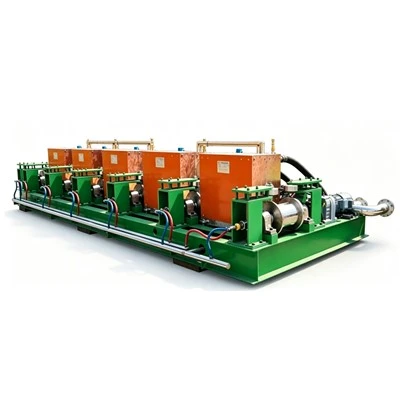
Pipe induction heating production lines are a versatile and powerful tool in modern manufacturing. As a supplier of these advanced production lines, I have witnessed firsthand the wide range of industries that benefit from their unique capabilities. In this blog, I will explore the various industries where pipe induction heating production lines can be effectively utilized, highlighting the specific advantages and applications in each case. Pipe Induction Heating Production Line
1. Oil and Gas Industry
The oil and gas industry is one of the primary users of pipe induction heating production lines. In this industry, pipes are used for a variety of purposes, including transportation of oil and gas, as well as in drilling operations. Pipe induction heating plays a crucial role in several key processes.
Pipe Bending
One of the most common applications is in pipe bending. Induction heating allows for precise and efficient heating of the pipe in a specific area, making it easier to bend the pipe to the desired angle without causing damage to the material. This is particularly important in the construction of pipelines, where pipes need to be bent to fit around obstacles or follow the natural contours of the terrain.
Weld Pre – heating and Post – heating
Welding is another critical process in the oil and gas industry. Induction heating can be used for pre – heating the pipes before welding. Pre – heating helps to reduce the risk of cracking and improve the quality of the weld. After welding, post – heating is often required to relieve stresses in the welded joint. Pipe induction heating production lines can provide the consistent and controlled heating needed for both pre – and post – welding processes.
Coating Application
Pipes in the oil and gas industry are often coated to protect them from corrosion. Induction heating can be used to heat the pipes to the appropriate temperature for applying coatings. This ensures better adhesion of the coating and improves its durability, which is essential for the long – term performance of the pipes in harsh environments.
2. Automotive Industry
The automotive industry also makes extensive use of pipe induction heating production lines.
Exhaust System Manufacturing
In the manufacturing of exhaust systems, pipes need to be bent and formed into complex shapes. Induction heating enables rapid and precise heating of the exhaust pipes, allowing for accurate bending without compromising the integrity of the material. This is important for ensuring proper fitment of the exhaust system in the vehicle and for maintaining optimal exhaust flow.
Heat Treatment of Engine Components
Some engine components, such as connecting rods and camshafts, are made from pipes or tube – like structures. Induction heating can be used for heat treating these components to improve their mechanical properties, such as hardness and strength. By precisely controlling the heating process, the desired metallurgical changes can be achieved, resulting in high – performance engine parts.
Shaft and Axle Manufacturing
Shafts and axles in automobiles are often manufactured from pipes. Induction heating is used for processes like surface hardening of these components. Surface hardening increases the wear resistance of the shafts and axles, extending their service life and improving the overall reliability of the vehicle.
3. Aerospace Industry
The aerospace industry has strict requirements for the quality and performance of its components, and pipe induction heating production lines can meet these demands.
Aircraft Structural Components
Pipes are used in the construction of various aircraft structural components, such as landing gear struts and hydraulic lines. Induction heating is used for processes like forging and heat treatment of these pipes. Forging with induction heating allows for better control of the grain structure of the material, resulting in stronger and lighter components. Heat treatment can also be precisely controlled to achieve the desired mechanical properties, which is crucial for the safety and performance of aircraft.
Engine Manufacturing
In aircraft engine manufacturing, pipes are used for fuel and lubrication systems. Induction heating can be used for brazing and soldering these pipes, which require high – precision and reliable joints. The ability to quickly and accurately heat the pipes using induction heating ensures strong and leak – free connections, which are essential for the proper functioning of the engine.
4. Construction Industry
The construction industry also benefits from pipe induction heating production lines.
Structural Steel Pipes
In the construction of buildings and bridges, structural steel pipes are often used. Induction heating can be used for processes like straightening and stress – relieving of these pipes. Straightening of pipes is important for ensuring proper alignment and fitment during construction. Stress – relieving helps to prevent cracking and deformation of the pipes over time, improving the long – term stability of the structure.
Plumbing and Heating Systems
Pipes used in plumbing and heating systems need to be joined and installed correctly. Induction heating can be used for soldering and brazing these pipes, providing a fast and efficient way to create strong and leak – free joints. This is particularly useful in large – scale construction projects where time and quality are of the essence.
5. Power Generation Industry
The power generation industry, including both traditional fossil – fuel power plants and renewable energy sources, relies on pipe induction heating production lines.
Boiler and Heat Exchanger Manufacturing
In boiler and heat exchanger manufacturing, pipes are a key component. Induction heating is used for processes like tube expansion and welding. Tube expansion ensures a tight and secure fit between the tubes and the tube sheets in the boiler or heat exchanger. Welding with induction heating provides high – quality joints, which are essential for the efficient operation and safety of these systems.
Nuclear Power Plants
In nuclear power plants, pipes are used for transporting coolant and other fluids. Induction heating can be used for the heat treatment and repair of these pipes. Heat treatment helps to maintain the integrity of the pipes under high – temperature and high – pressure conditions, while repair processes using induction heating can be carried out quickly and effectively, minimizing downtime.
Advantages of Using Pipe Induction Heating Production Lines in Different Industries
- Precision: Induction heating allows for precise control of the heating process, both in terms of temperature and the area of the pipe being heated. This precision ensures high – quality results in processes like bending, welding, and heat treatment.
- Efficiency: Induction heating is a fast and energy – efficient method. It can heat the pipes quickly, reducing production time and energy consumption compared to traditional heating methods.
- Consistency: The heating process is highly consistent, which is important for ensuring the quality and reliability of the final products. This consistency helps to reduce waste and improve overall productivity.
- Versatility: Pipe induction heating production lines can be easily adapted to different pipe sizes, materials, and production requirements, making them suitable for a wide range of industries.
Conclusion
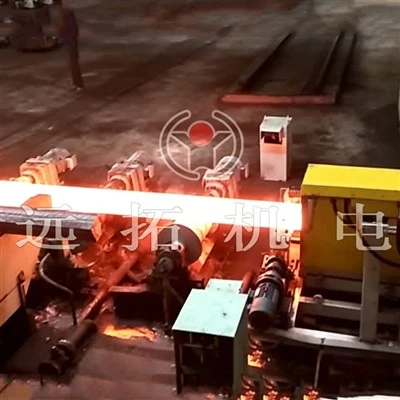
In conclusion, pipe induction heating production lines are a valuable asset in many different industries. From the oil and gas industry to aerospace, automotive, construction, and power generation, these production lines offer unique advantages in terms of precision, efficiency, consistency, and versatility. As a supplier of pipe induction heating production lines, I am committed to providing high – quality products that meet the specific needs of each industry.
Induction Heating Power Supply If you are interested in learning more about how our pipe induction heating production lines can benefit your business, or if you have any questions regarding our products, I encourage you to reach out to us. We are more than happy to discuss your requirements and provide you with detailed information and solutions tailored to your specific situation. Let’s start a conversation and explore how we can work together to enhance your production processes.
References
- ASM Handbook Volume 4: Heat Treating. ASM International.
- Welding Handbook, Volume 2: Welding Processes. American Welding Society.
- Choi, J. H., & Kim, H. S. (2018). Induction heating for metal forming processes: A review. International Journal of Precision Engineering and Manufacturing – Green Technology.
Hebei Yuantuo Electromechanical Equipment Manufacturing Co., Ltd.
As one of the most professional manufacturers and suppliers of pipe induction heating production line in China, our products have good reputation in the market. Please rest assured to buy advanced equipment made in China here and get quotation from our factory. Customized orders are welcome.
Address: Yanshan Street West and Jialingjiang Road North, Economic and Technological Development Zone, Wuqiao County, Cangzhou City, Hebei Province, China
E-mail: yuantuotech01@gmail.com
WebSite: https://www.yuantuoem.com/
