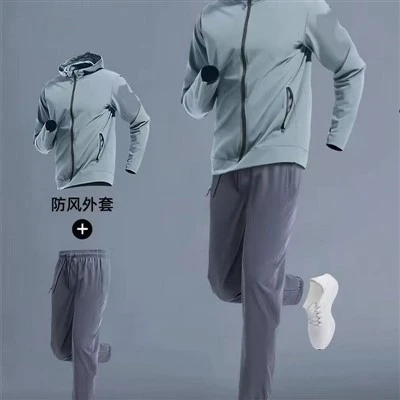
Hey there, all you amazing parents and caregivers! I’m part of a kids’ wear supplier team, and I totally get it – kids are little mess – magnets. Whether it’s strawberry juice at breakfast, mud from a wild outdoor adventure, or paint from an art project, stains on kids’ clothes are just a fact of life. But no need to panic! I’m here to share some tried – and – true tips on how to wash those stain – ridden kids’ wear and keep them looking fresh and clean. Kids’ Wear
Understanding Different Types of Stains
First things first, not all stains are created equal. Before you start washing, it’s important to figure out what kind of stain you’re dealing with.
Food Stains: These are super common, especially with picky eaters who tend to wear more of their food than they eat. Food stains like ketchup, chocolate, and ice – cream are mostly made up of proteins, fats, and carbohydrates. The key to getting rid of them is to act fast. As soon as you notice the stain, rinse it under cold water. Cold water prevents the proteins from setting in, which would make the stain harder to remove later.
Grass and Mud Stains: When kids are running around in the yard, it’s almost guaranteed they’ll come back with grass and mud on their clothes. These stains contain dirt, plant pigments, and sometimes even bacteria. Let the mud dry first, then gently brush off as much as you can. After that, soak the stained area in a solution of water and a bit of laundry detergent.
Ink Stains: Whether it’s from a leaky pen or a little artist gone wild, ink stains can be a real pain. Different types of ink, like ballpoint, fountain pen, or marker ink, require different approaches. For ballpoint ink, rubbing alcohol can be a lifesaver. Just dampen a cotton ball with it and gently blot the stain.
Pre – Treating the Stains
Once you’ve identified the stain, it’s time to pre – treat it. This step is crucial as it can significantly increase your chances of getting the stain out completely.
Homemade Pre – Treaters: You don’t always need fancy stain removers. For a lot of common stains, you can make your own pre – treating solutions at home. A mixture of baking soda and water makes a great paste for general stains. Just apply it to the stain, let it sit for a few minutes, and then gently scrub with an old toothbrush.
Commercial Stain Removers: There are also plenty of good commercial stain removers on the market. Look for ones that are specifically designed for kids’ clothes, as they’re usually safer and more gentle on sensitive fabrics. Read the instructions carefully and test the product on a small, inconspicuous area of the garment first to make sure it doesn’t cause any discoloration.
Choosing the Right Detergent
Picking the right detergent is just as important as pre – treating the stains. Kids’ skin is more sensitive than adults’, so you want to use a detergent that’s gentle and free of harsh chemicals.
Fragrance – Free Detergents: These are a great option for kids with sensitive skin. They don’t contain any artificial fragrances that could cause skin irritation. They still get the job done in terms of cleaning the clothes, but without the extra stuff that might bother your little one.
Eco – Friendly Detergents: If you’re environmentally conscious, there are lots of eco – friendly detergents available. They’re made from natural ingredients and are biodegradable, which is better for the planet. Plus, they’re often gentle enough for kids’ clothes.
The Washing Process
Now that you’ve pre – treated the stains and chosen your detergent, it’s time to throw the clothes in the washer.
Water Temperature: The water temperature you use depends on the type of stain and the fabric of the clothes. For protein – based stains like blood or milk, cold water is best. For oil – based stains, warm or hot water can help break down the grease. But be careful with hot water on delicate fabrics, as it can cause shrinkage.
Washing Cycle: Select the appropriate washing cycle for the clothes. If the clothes are heavily soiled, a longer, more intense cycle might be necessary. But for delicate items like baby onesies, a gentle cycle is the way to go.
Sorting the Clothes: Always sort the clothes by color and fabric type before washing. This helps prevent color bleeding and damage to the clothes. Dark colors should be washed separately from light colors, and delicate fabrics should be washed with other delicate items.
Drying the Clothes
After the washing is done, it’s time to dry the clothes. Here are some tips to make sure the stains don’t set and the clothes stay in good condition.
Air Drying: Whenever possible, air dry the clothes. This is especially important if the stain is still visible after washing. High heat from the dryer can set the stain permanently. Hang the clothes outside on a clothesline or use a drying rack indoors.
Tumble Drying: If you need to use the dryer, use a low – heat setting. Check the clothes regularly to make sure the stains aren’t setting. Once the clothes are mostly dry, it’s a good idea to take them out and let them finish air – drying to prevent shrinkage.
Special Considerations for Different Fabrics
Not all fabrics are the same, and some require special care when washing.
Cotton: Cotton is a popular fabric for kids’ clothes because it’s soft and breathable. But it can wrinkle easily and may shrink in hot water. Wash cotton clothes in warm or cold water, and use a fabric softener to keep them soft.
Polyester: Polyester is a synthetic fabric that’s durable and wrinkle – resistant. It can usually handle higher water temperatures, but it may trap odors more easily. Use a detergent with good deodorizing properties when washing polyester clothes.
Wool: Wool is warm and soft, but it’s also very delicate. It should be washed in cold water on a gentle cycle. Avoid spinning the wool clothes in the dryer, as this can cause them to felt.
Extra Tips for Stubborn Stains
Sometimes, no matter what you do, a stain just won’t budge. Here are a few extra tips for those stubborn stains.
Sunlight: Sunlight can be a natural bleaching agent. If you have a stain that’s still visible after washing, hang the clothes outside in direct sunlight. The UV rays can help break down the stain. Just be careful not to leave the clothes out for too long, as sunlight can also fade the colors.
Vinegar: Vinegar is another great natural cleaner. Add a cup of white vinegar to the rinse cycle of the washing machine. It can help remove odors and loosen stubborn stains.
Conclusion
Washing kids’ wear with stains doesn’t have to be a nightmare. By understanding different types of stains, pre – treating them properly, choosing the right detergent, and following the correct washing and drying procedures, you can keep your kids’ clothes looking clean and fresh.
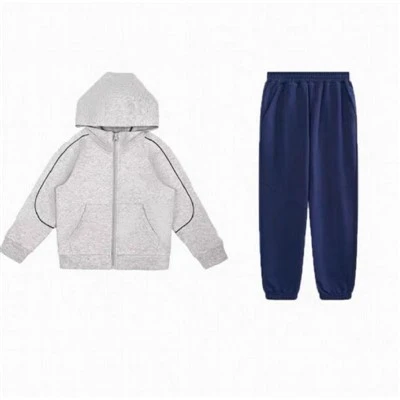
As a kids’ wear supplier, we know how important it is for your little ones to look and feel their best. Our clothes are designed with quality and comfort in mind, and we’re always here to help you keep them in top condition.
Men’s Pants and Suits If you’re interested in sourcing high – quality kids’ wear for your store or just for your own little ones, we’d love to talk to you. Reach out to us to start a conversation about your procurement needs. We’re ready to provide you with the best products and service in the industry.
References
- "The Complete Guide to Stain Removal" by an unknown author from a local home – care magazine.
- Product guides from several well – known detergent brands.
- "Fabric Care 101" leaflet from a fabric manufacturer.
Tengzhou Jufulong Garment Co., Ltd.
We are one of the most professional kids’ wear manufacturers and suppliers in China, also support customized service. With abundant experience, we warmly welcome you to wholesale high quality kids’ wear made in China here from our factory. Contact us for free sample.
Address: Zongzhuang Village, Jisuo Town, Tengzhou City, Zaozhuang City, Shandong Province (West of Jisuo Middle School)
E-mail: 17606320177@163.com
WebSite: https://www.jufulongwear.com/
