Hey folks, if you’re here because you’re in the market for woven fabric—whether you’re a clothing brand gearing up for a new line, a home goods maker restocking linen curtains, or just someone who wants to make sure the fabric you’re using is actually worth the investment—you’ve come to the right place. I’m [just gonna keep it real, no fancy title here], been running a woven fabric supplier for almost a decade, and I’ve heard every question under the sun about what makes fabric “high quality.” A lot of folks walk in (or slide into my DMs, these days) asking how to tell the difference between a $5 yard of cotton poplin and a $12 yard that feels like it’ll last 10 years and not pill after one wash. The answer’s not just how it looks or feels in your hand—it’s the certifications stamped on it that say, “this fabric’s actually worth your money.” I’m gonna break down the ones that matter, no jargon, just the stuff I actually vet when I’m picking out rolls for my shop. Woven Fabric
First up, let’s get one thing straight: not all certifications are created equal. You’ll see a lot of random stickers on fabric samples that mean nothing, so I’m only gonna talk about the ones that actually hold weight, that I’ve seen make a difference for my customers, and that I’ve dug into to make sure they’re not just marketing fluff. Let’s start with the big one that everyone’s heard of: GOTS, short for Global Organic Textile Standard. I get it, organic feels like a buzzword, but GOTS is the one that’s not lying about that. A lot of brands slap “organic” on fabric that’s just 10% organic fiber, but GOTS requires at least 95% of the fiber to be certified organic—no synthetic junk sneaking in there, even at the tiny percentage. And it’s not just the fiber, either. GOTS checks the whole supply chain: the farms the cotton’s grown on (no toxic pesticides, no unfair labor), the mills where it’s woven (safe water practices, no bad chemicals dumping into rivers), even the dyeing and finishing processes. I love GOTS-certified fabric because my customers who make kids’ clothes or bedding go crazy for it—no harsh stuff that’ll irritate sensitive skin. But here’s the thing: it’s not just for cotton. GOTS covers wool, linen, even synthetic fibers like polyester if they’re recycled. I’ve had a few clients who were into sustainable activewear, and GOTS-certified recycled polyester woven fabric is a game changer. It’s durable, doesn’t shed microplastics as much, and checks all the eco boxes.
Next, let’s talk durability, because that’s half the battle when you’re buying woven fabric. A lot of folks don’t realize that woven fabric’s quality isn’t just the fiber—it’s the weave, but also the processing. That’s where OEKO-TEX Standard 100 comes in. Wait, no, let’s be clear: there’s OEKO-TEX, and then there’s a bunch of knockoff OEKO things. The real deal is Standard 100. What does it do? It tests for over 1,000 harmful chemicals—think lead, formaldehyde, phthalates, all that garbage that can leach into your skin if you’re wearing the fabric, or touch your food if it’s table linens. The cool part is they split it into classes, so you can pick what’s right for you. Class 1 is for babies’ stuff (think bibs, onesies), Class 2 for stuff close to skin (t-shirts, bed sheets), Class 3 for upholstery and outerwear, Class 4 for industrial uses. I always make sure the woven fabric I stock has at least Class 2, even if it’s for outerwear—you never know when someone’s gonna cut a scrap and make a lining or something. And bonus: OEKO-TEX is super transparent. You can look up the certificate number on their website to make sure it’s not a fake. I’ve had a few sketchy suppliers try to pass off untested fabric as OEKO, so now I always ask for the actual certificate, not just a picture of a sticker.
Now, let’s get into performance stuff. If you’re making outdoor gear, workwear, or activewear, you need fabric that can hold up to weather, heavy use, and washing. That’s where bluesign® system certification comes in. A lot of people mix this up with GOTS or OEKO, but it’s focused on the chemicals and processes that go into making the fabric, not just the fiber. Bluesign makes sure every single step—from the raw fiber processing to the final dye and finish—uses chemicals that are safe for workers and the environment, and that the manufacturing waste is reduced as much as possible. But here’s why it matters for performance: if a fabric is bluesign-certified, that means the dye and finishes won’t wash out after a few uses, the fabric won’t break down in sunlight, and it won’t get stiff or lose its texture over time. I recently got a big order for a outdoor brand that needed woven nylon for tents, and they insisted on bluesign because they kept having issues with other fabric that faded after two months in the sun. The bluesign-certified stuff didn’t just hold up better—it was softer, too. No scratchy tent fabric here, which the brand’s customers loved.
Wait, what if you’re into recycled fibers? A lot of my customers are these days, trying to cut down on their carbon footprint. Two big certifications here: one is Global Recycled Standard (GRS), and the other is RCS, short for Recycled Claim Standard. Let’s break these down because they’re easy to mix up. GRS is stricter—it requires at least 50% recycled content, checks the supply chain for labor practices, chemical use, and even has a social compliance part, like fair wages and safe working conditions. RCS is more for when you just need to verify that a certain percentage of the fiber is recycled, without all the extra social checks, so it’s cheaper for smaller batches. I usually stock both, because some of my clients are big name brands that need the full GRS for their marketing, and some are small Etsy sellers who just need to show their fabric is recycled without paying for the extra layers. I’ll be honest, I’ve seen some recycled fabric that’s just a little bit recycled plastic bottles glued to regular fabric, but with GRS, you know it’s actually post-consumer waste, not factory scraps, and it’s been processed properly so it doesn’t shed a ton of microplastics when you wash it. That’s a big one for activewear brands—microplastics in laundry are a huge problem, so GRS-certified woven polyester or nylon is way better than uncertified recycled stuff.
Now, let’s talk about natural fibers that have their own specific certifications. Linen is a big one—everyone loves linen for its breezy feel, but a lot of “linen” fabric is actually a linen blend, sometimes with just 5% linen. That’s where the European Flax certification comes in. Wait, no, it’s actually the Flax Council of Canada has one too, but European Flax (EUFLA) is the main one for linen that’s 100% flax, grown in the EU. What makes that different from just “linen”? European Flax has strict rules for how the flax is grown—no GMOs, fewer pesticides, and the fibers are longer, which makes the fabric stronger and less likely to be rough or pilling. I’ve had customers who swore by regular linen, but when they switched to European Flax-certified woven linen for their dresses, they noticed a huge difference. It was softer, it held its shape better, and even though it’s linen, it didn’t wrinkle as much as the cheap blends. Plus, it’s a big selling point for customers who want linen that’s actually real, not just labeled as linen. For cotton, besides GOTS, there’s Fair Trade Cotton certification. That’s for the farms—so the farmers who grew the cotton got a fair wage, safe working conditions, and even a community development premium that goes to schools or healthcare in their area. I always keep Fair Trade cotton woven fabric in stock for my customers who care about the people behind the fabric, not just the product itself. It’s a little more expensive, but the demand is there, and it’s worth it to know that the folks growing the fiber aren’t being exploited.
Wait, let’s make sure we cover the ones that are less common but still matter for specific uses. If you’re making upholstery, drapery, or any fabric that’s gonna be exposed to a lot of sunlight, fire retardant fabric is a thing, but you need the right certification—usually NFPA 701 in the US, or EN 15149 in Europe. A lot of suppliers will advertise “fire retardant” fabric, but if it’s not NFPA 701, it might just have a cheap coating that washes off after a few times. NFPA 701 means it’s been tested to resist small flames, and it won’t spread fire quickly, which is super important for commercial spaces like restaurants, hotels, or even apartment buildings. I once had a small interior design client who used uncertified fire retardant fabric for drapery, and it didn’t pass the city’s fire inspection. She had to replace all of it, which cost her way more than if she’d just gotten the certified stuff in the first place. So that’s a big one for anyone in the commercial space, don’t skip that.
Now, let’s talk about what certifications don’t mean. I see so many people getting tricked by fake certifications—like random “organic” stickers that no one’s ever heard of, or “eco-friendly” that’s just words. Last year, a guy came to me with a sample of woven fabric that had a sticker that said “Organic Cotton” but no real GOTS or Fair Trade mark. When I asked for the certificate, he couldn’t provide it, and a quick test showed it was only 20% organic cotton, the rest was polyester. So always, always ask for the actual certificate, not just a sticker. Legitimate certifications have a unique number you can verify on their website, so don’t be shy about asking for that. Also, certifications aren’t the only way to judge quality—you can hold it up to the light, rub it between your fingers, pull on a little bit to see if it stretches out or snaps back, look for loose threads or uneven weaving. But certifications are the shortcut to making sure you’re not wasting money on fabric that’s gonna fall apart, be bad for the environment, or cause issues with your customers.
Here’s the thing about being a woven fabric supplier: I don’t just sell rolls of fabric. I tell my customers what’s actually worth their money, no matter if they’re buying 5 yards for a small sewing project or 5,000 yards for a clothing line. I’ve turned away jobs where a customer wanted cheap fabric that wasn’t certified, because I knew it would end up coming back ruined, or their customers would complain about it. The certifications aren’t just hoops to jump through—they’re guarantees. They guarantee the fiber is what it says it is, the manufacturing is safe, the fabric will perform the way you need it to.
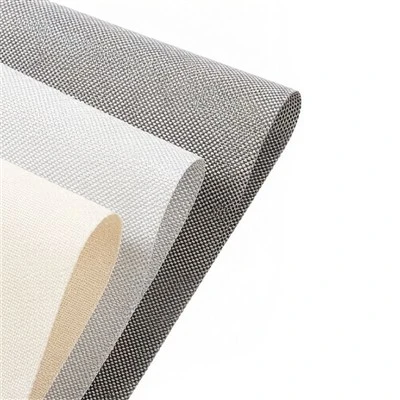
If you’re looking for woven fabric that checks all these boxes, I’ve got a huge selection of certified options—from GOTS organic cotton poplin for kids’ clothes, to bluesign-certified nylon for outdoor gear, to European Flax linen for apparel and home goods. I can send you samples, walk you through what each certification means for your specific project, and even help you pick the right fabric for your budget. No pressure, just straight talk, like I always give. If you’ve got questions, or you’re ready to place an order, just reach out—let’s make sure you get the right fabric for whatever you’re making.
Textilene Fabrics References:
- Global Organic Textile Standard (GOTS) Official Website Guidelines for Certification
- OEKO-TEX Standard 100 Product Certification Requirements
- bluesign system: Certified Chemical Management for Textile Manufacturing
- Global Recycled Standard (GRS) and Recycled Claim Standard (RCS) Certification Criteria
- European Flax (EUFLA) Linen Production and Certification Standards
- NFPA 701 Standard Methods of Fire Tests for Flame Resistant Textiles and Films
Nanping Kingway New Material Co., Ltd.
Address: No. 10, Chengnan Branch Road, Chengjiao Town, Nanping, Fujian, China.
E-mail: npjwxcl@aliyun.com
WebSite: https://www.suernew.com/
